When to Back-Roll Sprayed Walls and How to Keep the Texture Consistent
Back-roll sprayed paint when the selected coating system calls for it or when the approved finish needs a rolled texture. The roller follows the spray application while the material is still workable; rolling a dried sprayed coat is a separate coating operation. Back-rolling can help distribute material and establish texture, but it does not replace primer, correct drywall ridges or guarantee an invisible repair later.
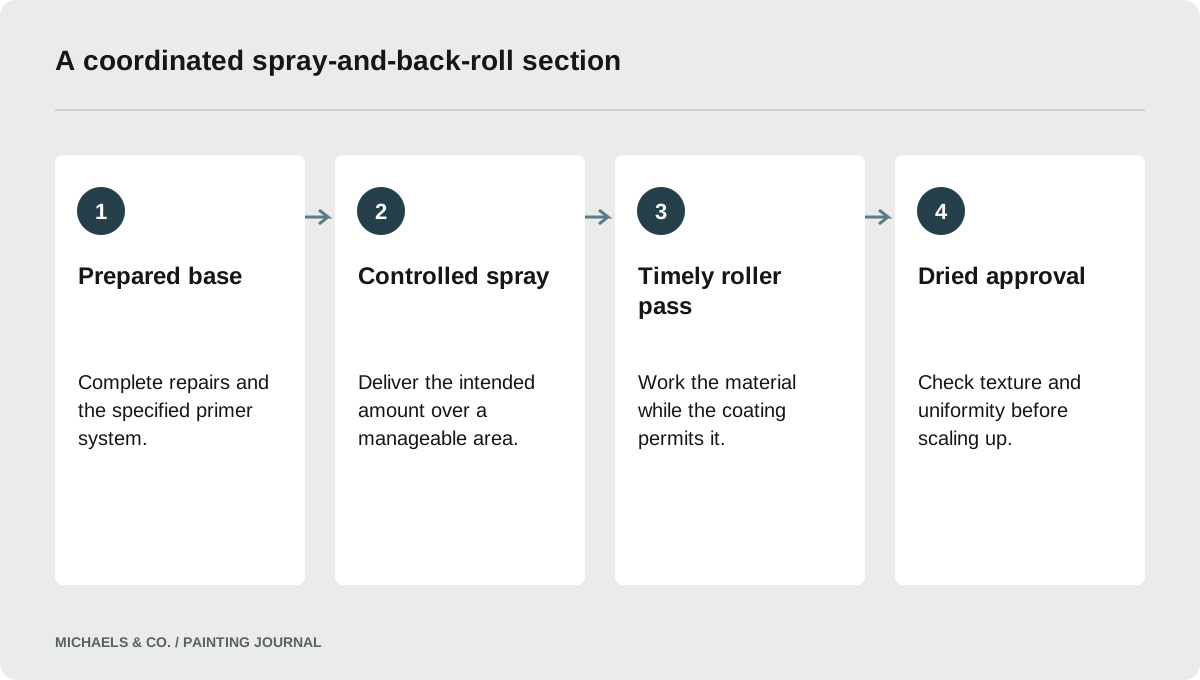
Define the purpose before adding another operation
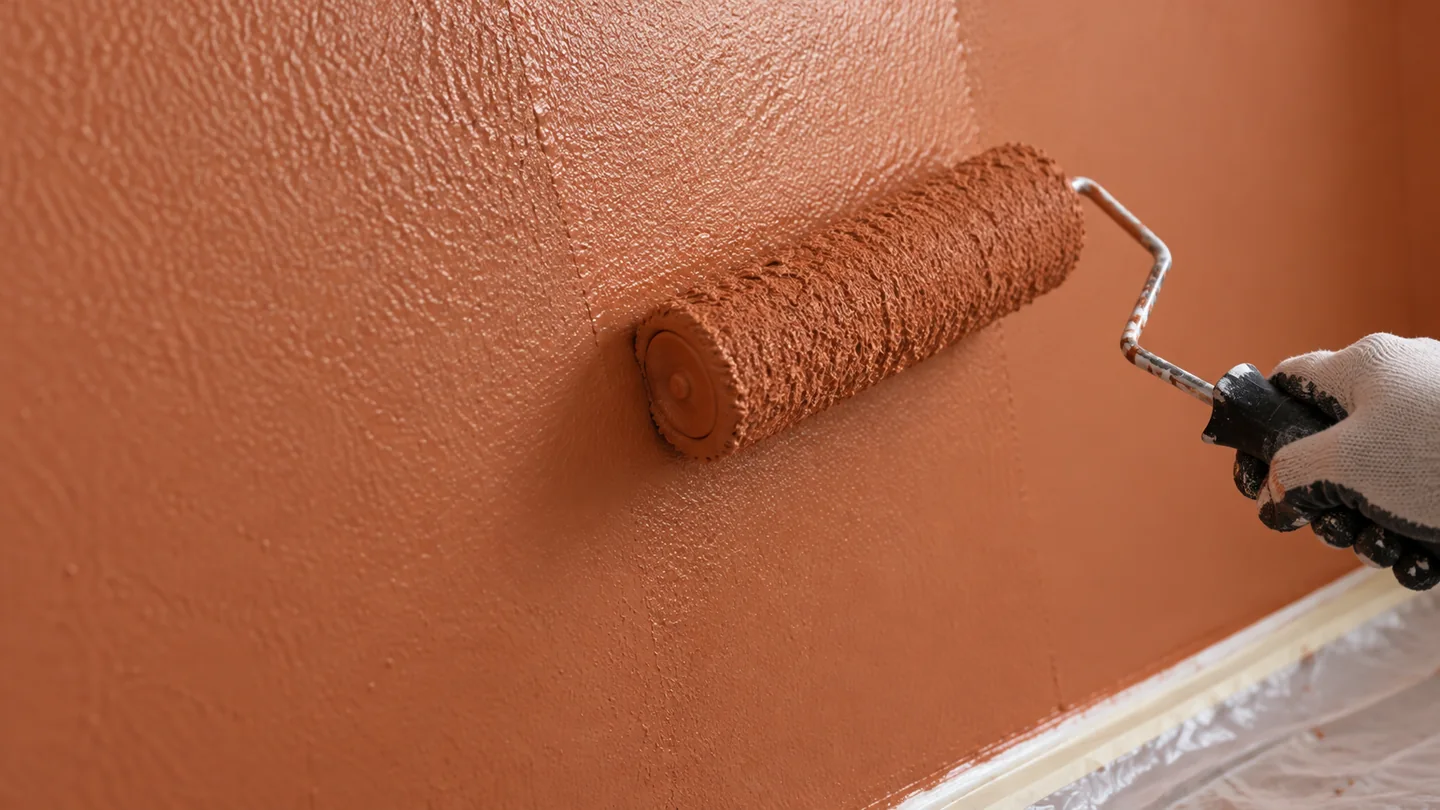
Spraying delivers material quickly. Back-rolling works that applied material with a roller and leaves the roller's own pattern. The purpose may be distribution, contact with a particular substrate or a consistent appearance. Decide which purpose applies before treating back-rolling as either universally required or universally unnecessary.
A first-time sprayer user's question about wall stripes shows the confusion that follows when a good-looking test fan is assumed to guarantee a uniform room. The report does not prove that missing back-rolling caused the stripes. It does show why the complete application sequence should be selected before coating. Ask whether the paint manufacturer specifies spray-only, spray-and-back-roll or another method for the substrate. Then determine whether the resulting texture matches the project's appearance standard. Adding a roller after a problem appears is not the same as specifying a controlled spray-and-roll system from the beginning.
Distinguish substrate contact from texture matching
On some rough or porous surfaces, working the coating after spraying can help distribute it into the surface profile. Sherwin-Williams' application FAQs describe situations involving porous wood and thicker coatings on cementitious surfaces where back-brushing or back-rolling can be recommended. That is a system-specific reason, not proof that every interior wall coat must be rolled.
On interior drywall, the reason may instead be a consistent rolled appearance across the plane or compatibility with the maintenance plan. A previously rolled room can look different beside a spray-only addition. Discuss the desired texture and approve a sample of the actual sequence. Do not promise that matching texture makes every future touchup invisible; color aging, sheen and repair preparation still matter. Identify the required coat or coats for back-rolling in writing so the crew does not make different assumptions about primer, first finish coat and final finish coat.
Prepare the drywall before thinking about the roller
New drywall includes paper faces, joint compound and taped areas with different absorption characteristics. BEHR's discussion of difficult substrates explains why suitable priming helps unify that porosity. A roller following the spray cannot replace this primer function. Nor can it flatten a raised seam, remove dust or turn an incompletely dried repair into a stable surface.
Inspect and accept the prepared substrate first. Remove dust by an appropriate method and use the specified primer system. If a wall contains both new compound and existing paint, choose preparation that suits the whole mix rather than assuming one pass of finish paint will make everything uniform. Evaluate the primed surface before the final coat, when correcting a ridge or missed repair is easier. Back-rolling is an application choice within a prepared coating system; it should not become a catch-all explanation for defects originating underneath it.
Coordinate a workable section size
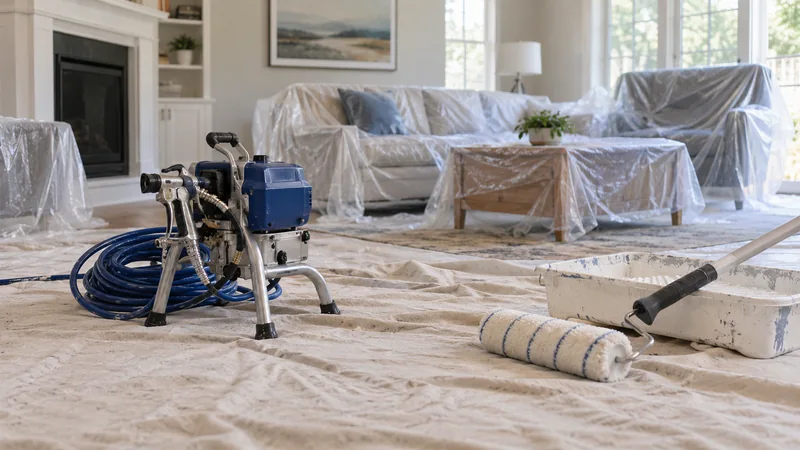
The roller must follow while the sprayed material remains workable for the intended process. If the sprayer advances too far, the roller can encounter a film that has begun setting. If the roller operator catches up into an overloaded area, excessive material may be pushed into edges. Agree on the section size and pace before starting.
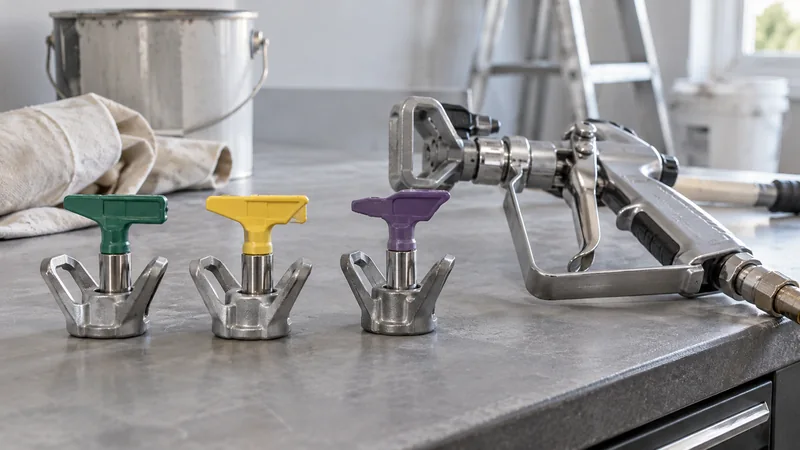
Graco's spray-technique guidance supports controlled distance and overlap during delivery. Keep those variables consistent rather than spraying extra material in anticipation of the roller. In a two-person crew, establish clear communication around corners, openings and interruptions. In solo work, choose a section small enough to switch tools without leaving the rest to dry. The correct size depends on the coating and conditions, so test the actual sequence in the room. A timing plan that worked on a cool small wall may not transfer to a large surface warmed by direct sunlight.
Choose and prepare the roller for the final texture
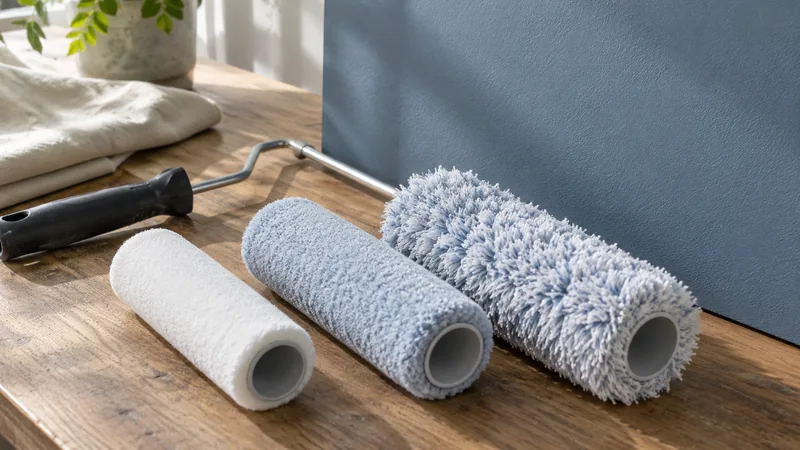
Use a cover suitable for the coating and substrate, then prepare it so loose fibers and contamination do not enter the wet film. Purdy's cover-selection guidance ties nap and fabric to the surface and desired application result. Back-rolling with a deep-nap cover will not preserve exactly the same appearance as leaving a fine sprayed film untouched.
Match the roller used on the sample to the production cover, including mini rollers used around restricted areas where possible. Bring the cover to a normal working condition rather than starting with a dry sleeve that removes material unpredictably. Apply controlled pressure and avoid repeatedly squeezing the roller at the end of a pass. If it begins leaving ridges, check loading and timing before increasing pressure. Inspect the cover during the work, particularly after breaks, because hardened ends or debris can change the pattern across later sections of the same wall.
Write a sequence the crew can repeat
A concise application plan prevents the instruction “back-roll it” from meaning different things to different people. Record the product, coat, cover and sample standard. Include a stop point if conditions make the agreed sequence unworkable.
- Confirm prepared substrate and primer requirements.
- Identify which coats require back-rolling.
- Approve the cover and dried sample texture.
- Set a manageable spray-and-roll section size.
- Maintain consistent delivery and roller pressure.
- Stop rather than reworking material that has begun setting.
- Inspect the dried result before repeating the process everywhere.
For a commercial project, put the method in the finish specification or work plan rather than relying on a conversation at the spray gun. For a homeowner project, a labeled sample board and written notes can provide the same practical clarity. The goal is a repeatable sequence, not a complicated document.
Know what back-rolling cannot fix afterward
Rolling over a fully dried sprayed coat with fresh paint is another coat, with its own preparation, coverage and recoat requirements. Dry-rolling a set film is not a delayed version of the original back-rolling operation. If the finished surface already has visible bands, determine whether they arise from film build, sheen, texture, substrate absorption or lighting before selecting a repair.
Do not assume that one more pass, sprayed or rolled, will correct every cause. A physical ridge remains physical, and an unresolved porous repair may continue to stand out. When a correction is needed, define a coherent area and complete system rather than chasing individual stripes indefinitely. Keep the original setup record because it helps explain how the surface was produced. Back-rolling is most useful when chosen and coordinated before application; after a defect exists, it becomes only one possible part of a separately evaluated repair plan.
Questions & answers
Is back-rolling the same as rolling on another coat?
No. Back-rolling works the freshly sprayed material while it remains suitable for that operation. Applying paint with a roller after the sprayed coat has dried is a separate coat and must follow the product's preparation and recoat requirements.
Do all sprayed drywall coats need back-rolling?
There is no universal answer across every coating system and appearance requirement. Follow the product specification and approved sample. State clearly whether the primer, first finish coat, final coat or some combination is intended to receive a rolled texture.
Will back-rolling guarantee easier touchups?
It can establish a texture that is easier to reproduce with a roller, but an invisible touchup is not guaranteed. Matching color, sheen, aging, film build and repair preparation also matter. Keep the original product and application record for future maintenance.
Sources & further reading
- Graco: Spray TechniquesTest the pattern, use suitable pressure and tip, keep consistent distance and overlap passes.
- Purdy: How to Choose a Paint Roller CoverSelect cover fabric, nap and width for the coating and substrate; short nap is not a promise of zero texture.
- BEHR PRO: Dealing with Difficult SubstratesSealing differences in drywall porosity, assessing existing coatings and selecting a suitable primer are separate tasks.
- Sherwin-Williams: Paint Application FAQsBack-brushing or back-rolling can be recommended for porous wood and thicker coatings on cementitious substrates; requirements are system-specific.
Reader discussions
These conversations describe problems people encountered. They do not establish the cause of a defect or replace product instructions and applicable requirements.