New Deck Boards Do Not Match the Old Ones After Staining
New and old deck boards may remain visibly different after receiving the same stain because their underlying color, surface condition and absorption differ. Check that both are ready for the selected product, prepare them appropriately and make dry samples on each condition. Decide whether the expected variation is acceptable before coating the deck. A more opaque finish changes the appearance goal, but it is not a shortcut around compatibility or preparation.
Define the mismatch you want to reduce
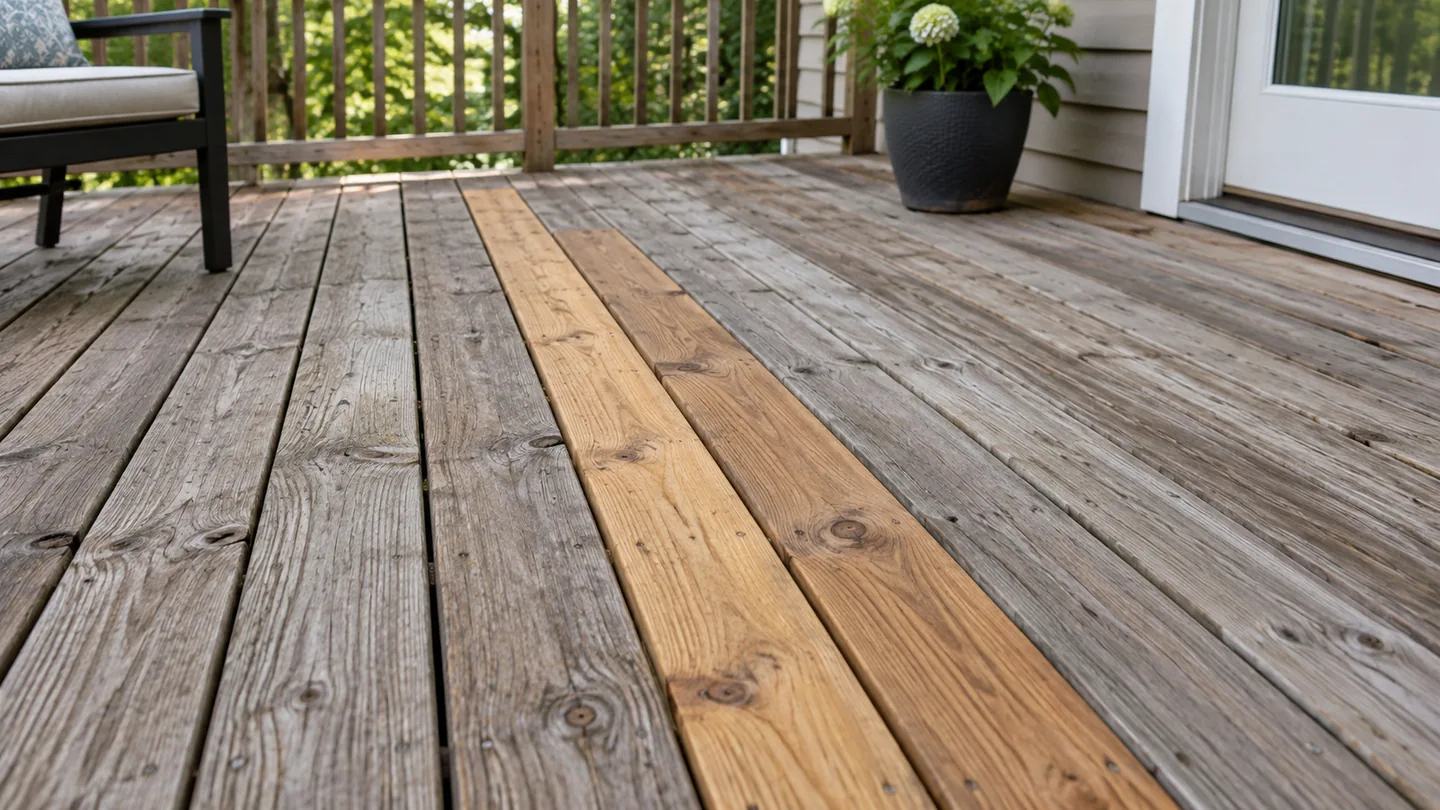
Compare the replacement boards with surrounding wood before staining. Note species, grain, color, weathering and any retained finish. A board that is already noticeably different may remain distinguishable beneath a transparent coating even if the application is technically successful.
In this Reddit discussion, a homeowner described newly sanded replacement redwood absorbing a planned oil finish differently from older sanded boards. The question was whether waiting or another treatment would make them match. The post supports a sample-based decision, not a guarantee that age alone will erase the difference. Identify the desired appearance before choosing a process intended only to protect the wood.
Confirm the identity and condition of both materials
Review what replacement lumber was purchased and whether it matches the existing species and treatment. Inspect the old boards for weathered fibers, residues and earlier repairs. Record any uncertainty rather than assuming that every reddish board is the same material.
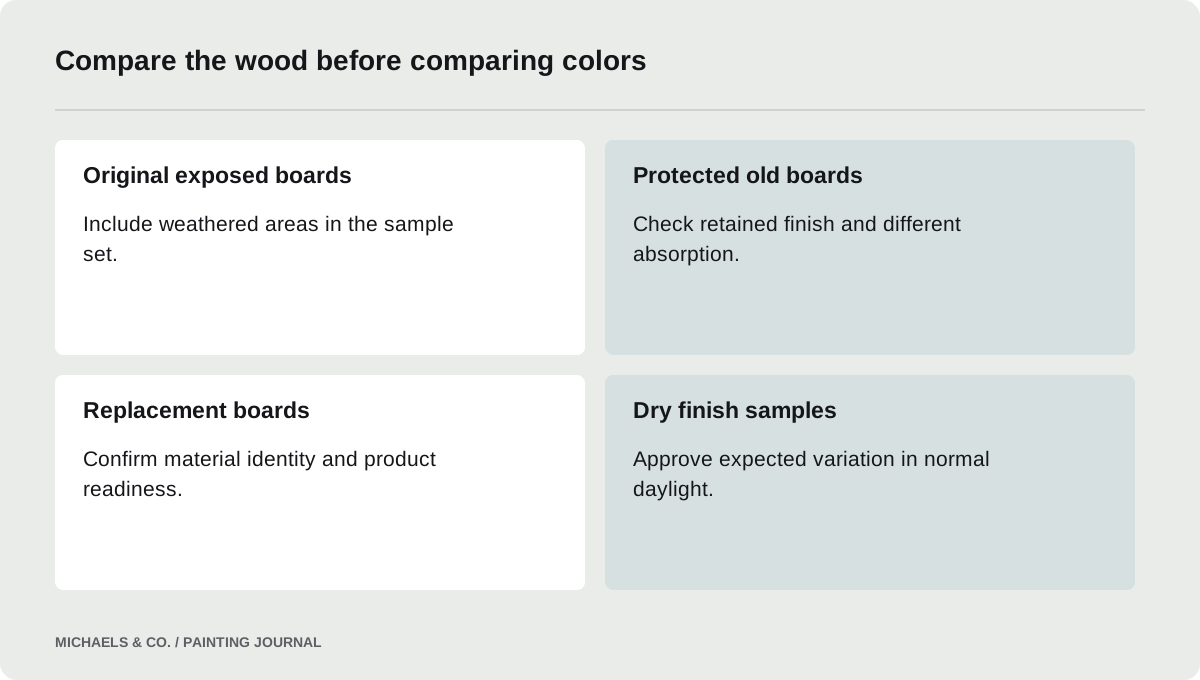
A deck can contain several generations of wood, each with a different coating history. Group representative conditions for testing: original exposed boards, sheltered boards and each type of replacement. This helps avoid approving one small sample that does not represent most of the deck. It also makes the estimate clearer because preparation may reasonably differ between sound new material and heavily weathered older surfaces.
- Identify replacement board species and treatment where possible, and compare their surface condition with the older boards before selecting a color correction strategy.
- Include both new and old boards in a stain sample area, because a test on only one group cannot predict the finished deck's contrast.
- Evaluate the dry sample under the deck's usual light and viewing conditions, including whether the difference comes from grain, absorption, color, or sanding texture.
- Agree whether the goal is reduced contrast, a deliberately varied wood appearance, or a more opaque finish, with the maintenance implications of that choice explained.
Judge readiness from the actual system
New wood is not automatically ready because it has been installed for a particular number of weeks. Cabot: How to Stain discusses new and treated wood readiness and the importance of assessing the surface before staining. Follow the selected product guidance rather than adopting a waiting calendar intended for another material or climate.
Ask what condition must be met and how it will be assessed. A surface wetting observation can provide information about absorption, but it should not be treated as a universal certification of all coating requirements. If parts of the deck are not ready, decide whether to delay the coordinated finish or use a manufacturer-supported staged plan. That schedule decision should be explicit before materials are purchased.
Prepare for consistency without damaging the wood
Remove unsound fibers and incompatible residues using methods suited to the deck and selected finish. Compare the preparation on old and new boards so one group is not left with a much smoother or more contaminated surface. Aggressive sanding solely to chase color can change the profile and appearance without producing a true match.
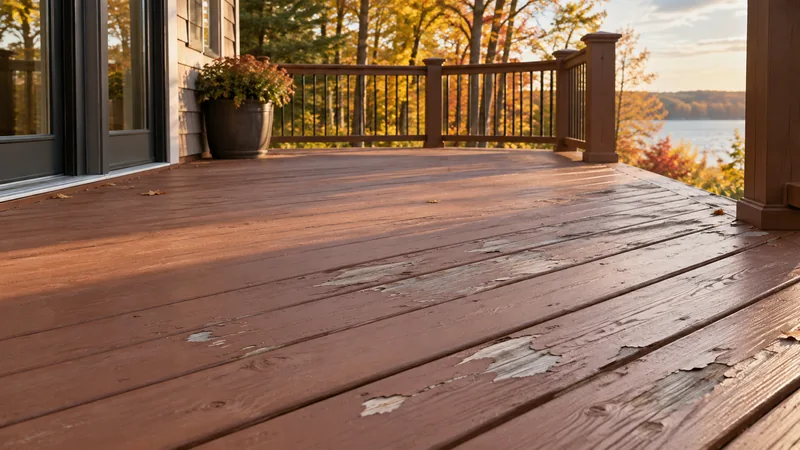
If older paint or an unknown coating will be disturbed, consider lead precautions and appropriate removal controls. Do not pressure wash or grind the entire deck simply because the new boards look pale. Define the preparation objective: a sound, clean, suitable surface for the product. Uniform appearance may still be limited by genuine differences in the wood after that objective is met.
Make samples on both old and new wood
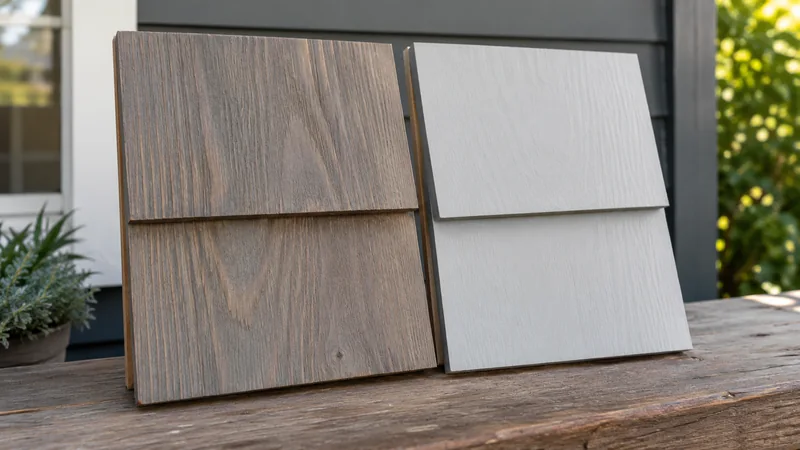
Cabot: How to Stain explains that substrate color and texture affect stain appearance and recommends samples on the intended surface. Use representative prepared areas or suitable offcuts that reflect the actual wood. A store chip on a different species cannot establish how the repaired deck will look.
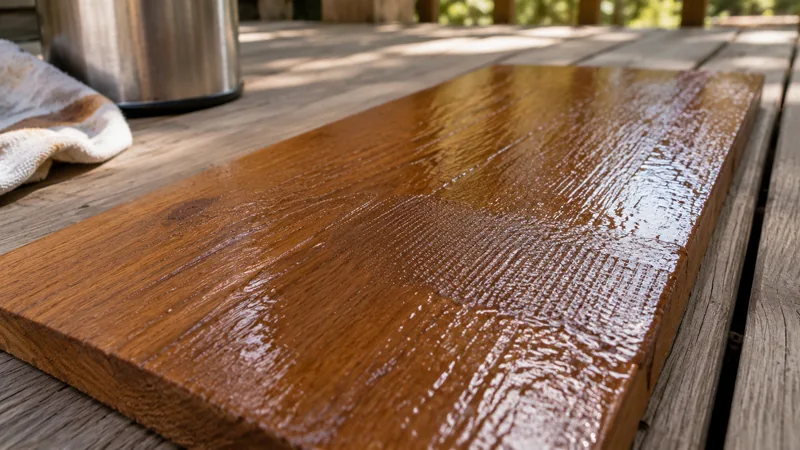
Apply the proposed system as instructed and evaluate it dry in normal daylight. Label each sample with product, color and preparation. Do not compare a wet old-board sample with a dry new-board sample. If experimenting with color, keep the number of variables controlled and consult the manufacturer about any proposed mixing. An improvised tint adjustment can complicate future maintenance and should not be assumed compatible.
Compare transparency choices honestly
A transparent finish reveals more of the underlying wood, including replacement-board differences. A more opaque system may reduce some color variation but changes the deck's appearance and maintenance approach. It also needs to be suitable for the existing coating and horizontal service.
Do not promise that a dark color will make every board identical. Texture, grain and absorption may still differ. Compare real samples and discuss what the owner is willing to see. The decision may be to accept the repair as visible, choose a different approved finish or undertake broader restoration. Those are meaningful scope choices, not defects that can necessarily be corrected by adding another coat to the new boards.
Plan the application around whole-board appearance
Once a system is selected, decide how the work will proceed across the deck and where interruptions can occur. Follow the product's application and overlap guidance. A spot treatment that stops midway along a board can introduce another visible boundary unrelated to the original wood mismatch.
If different preparation or application is proposed for replacement boards, document it and confirm it with the product guidance. The goal is a repeatable plan, not last-minute color adjustment on every board. Include end grain and other required details according to the selected system. Those requirements vary, so they should come from the actual product rather than a universal rule borrowed from a different stain.
Accept the result and preserve the maintenance history
Review the completed deck after the finish is ready for evaluation and use. Compare it with the accepted old-and-new samples. Record any expected variation so the repaired boards are not later treated as an unexplained application failure.
Keep the replacement locations, product details and preparation notes with the deck maintenance record. Future weathering may change the contrast, but do not promise that it will disappear by a certain season. At the next maintenance visit, reassess both groups of boards rather than automatically repeating the initial treatment. A documented repair history makes the next coating decision more reliable and reduces the chance of applying excessive material while chasing an unattainable exact match.
Questions & answers
Will waiting a few months make replacement boards match?
Waiting can change wood readiness and weathering, but it does not guarantee identical color or absorption. Species, grain and previous exposure may remain different. Follow the product readiness requirements and compare dry samples on both conditions before deciding whether to proceed.
Should I put extra stain on the lighter boards?
Only if the selected system permits the proposed application. More material can create buildup or other problems without reproducing the old-board appearance. Test a manufacturer-supported approach rather than repeatedly coating pale boards until their wet color resembles the surrounding deck.
Can solid stain hide all replacement repairs?
It can change how much underlying color is visible, but it does not eliminate texture, grain or substrate defects. Compatibility and preparation still matter. Review a real sample and decide whether the more opaque appearance suits the entire deck before committing to that system.
Sources & further reading
- Cabot: How to StainExisting coating, wood readiness and sample appearance matter; excessive stain application can leave a sticky film or cause peeling.
Reader discussions
These conversations describe problems people encountered. They do not establish the cause of a defect or replace product instructions and applicable requirements.