Rust Returns Through a Painted Metal Garage Door: What Was Missed?
Rust returning through garage-door paint means the source of discoloration and the metal condition need inspection. Check seams, scratches, fasteners and the existing factory or galvanized finish. A stain-covering coat does not stop active corrosion. Prepare and protect the affected metal with a compatible system, address recurring water exposure and consider replacement where material loss makes cosmetic repair unsuitable.
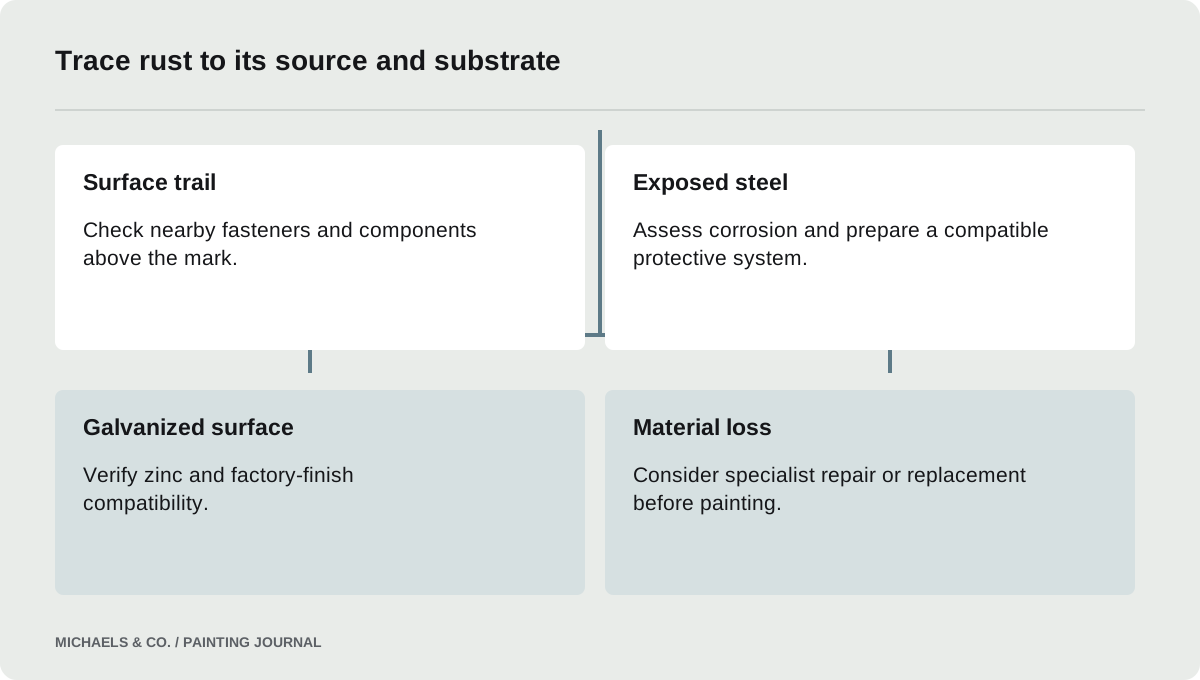
Map the rust before covering it
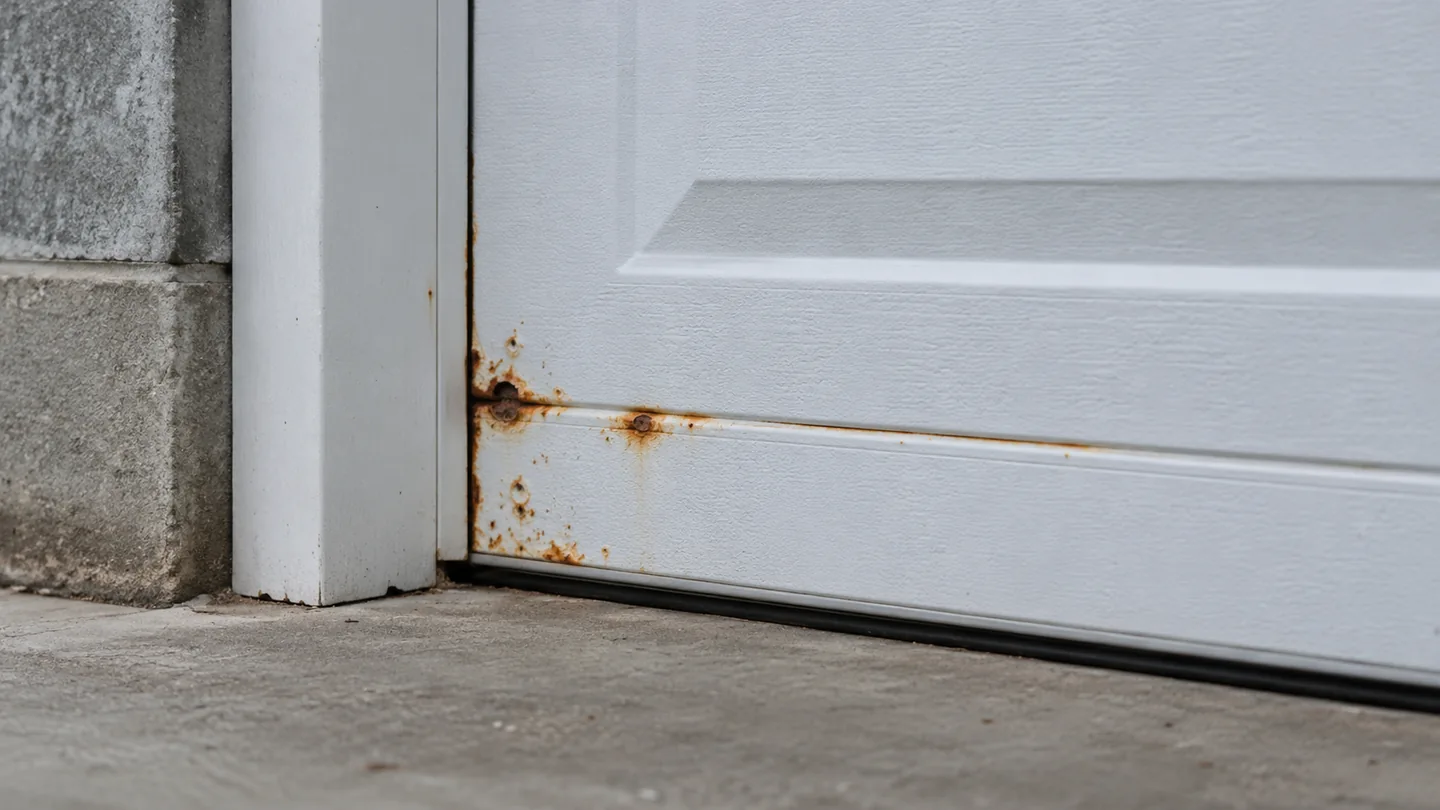
Photograph the entire door and close views of each affected area. Note whether marks begin at panel seams, fasteners, scratches, lower edges or nearby hardware. Include the inside face where it is safely accessible. The pattern helps distinguish a localized defect from broader deterioration.
In this Reddit discussion, small rust patches appeared on a metal garage door roughly four months after painting. That timing raises a useful preparation and system question, but it does not establish exactly what was missed. The next inspection should identify the corroding material and the condition beneath the new paint before another coat hides the evidence again.
Identify the door material and factory finish
Find the door model or manufacturer information where available. Determine whether the relevant component is steel, galvanized steel, aluminum or another material with a factory-applied coating. Different parts of the same door may not share the same substrate or finish.
Do not assume that every metal surface can receive the same rust primer. Sherwin-Williams: Peeling From Galvanized Metal explains that galvanized metal presents particular compatibility issues, including contaminants or passivation and reactions with some coating types. The system should be selected for the actual exposed surface. A recommendation for bare steel should not be transferred automatically to intact galvanized coating or a factory finish without checking compatibility.
- Map recurring rust around scratches, panel joints, fasteners, and lower edges, including any locations where trapped water or damaged seals keep the metal wet.
- Identify the door material and factory finish where records permit; galvanized steel, previously painted steel, and other surfaces do not automatically share one preparation specification.
- Check for corrosion that extends beneath adjacent paint or affects the door's integrity before describing the work as a simple sand-and-touch-up cosmetic repair.
- Require the scope to explain accessible rust removal, treatment of retained coating edges, primer compatibility, and corrections to water exposure, using the selected system's directions.
Separate active corrosion from a surface stain
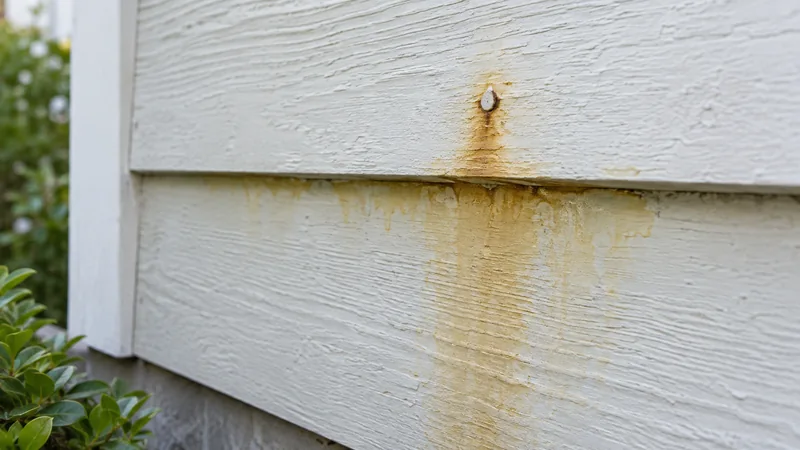
Inspect whether rust is emerging from exposed metal, sitting on the surface as runoff or associated with a blistered area. A corroding fastener above an otherwise sound panel can leave a trail that differs from corrosion beneath the panel's coating. Record those distinctions rather than calling every brown mark door rust.
Sherwin-Williams: Rust describes steel corrosion and the need for appropriate protection of prepared metal. The repair should address the source, not only the visible color. If a nearby component is shedding rust, include it in the scope. Otherwise, a carefully repainted panel may be stained again even though the coating applied to that panel is performing as intended.
Assess whether the metal remains serviceable
Look for pitting, flaking metal, open seams or perforation. Significant material loss requires a different decision from a shallow isolated spot. Have questionable areas assessed by a suitable door or repair professional, especially where corrosion involves structural or moving components.
Garage-door springs, cables and mechanisms should not be disturbed as part of a casual paint repair. Keep coating work separate from adjustments requiring specialist service. The estimate should state when component or panel replacement becomes necessary. A primer cannot rebuild lost metal, and a uniform topcoat can conceal deterioration that remains relevant to the door's operation and service life.
Review the original repaint preparation
Collect the primer and finish product names and ask how rust, loose coating and contamination were handled. Record whether bare metal was exposed and how it was protected before finishing. A description such as sanded and painted is too broad to explain a recurring problem.
If the existing coating was retained, inspect whether it remains bonded around the corrosion. A local spot may extend beneath adjacent film. Older or unknown coatings require relevant precautions before sanding or removal. The objective is a sound, suitable surface for the replacement system, not merely removal of every visible orange particle from the top of a weak paint layer.
Choose a compatible corrosion-control repair
For confirmed exposed steel corrosion, use preparation and a rust-inhibiting system appropriate to the condition and service. Sherwin-Williams: Rust supports protecting prepared bare steel with an appropriate coating. For galvanized areas, separately check the substrate requirements described in Sherwin-Williams: Peeling From Galvanized Metal.
Do not mix primer and topcoat recommendations without checking compatibility and recoat conditions. The actual products control preparation, environmental limits and application thickness. If the retained factory finish is uncertain, involve the supplier and use a representative test area. Keep the proposed system tied to the metal identified during inspection so the next person does not substitute a familiar but unsuitable product mid-project.
Correct recurring wetting and operational conflicts
Check water exposure at the bottom edge, drainage, irrigation and places where hardware or seals trap moisture. Address an identified source where practical before completing the cosmetic work. Repeated wetting can undermine a repair even when the visible rust was prepared carefully.
Plan the door's use around the coating instructions. Moving panels, seals and contact points may affect how the finish is applied and when it can return to service. Avoid coating surfaces that the door manufacturer identifies as unsuitable for paint or where paint could interfere with operation. Coordinate with a door professional when the repair involves details beyond the exterior panel face.
Inspect the dry finish and retain the repair map
Review the completed areas for coverage, sound transitions and acceptable appearance. A local corrosion repair can remain visible if preparation changes the profile or the topcoat does not match the surrounding finish. Define whether the scope includes individual panels or a broader face coating for uniformity.
Keep the rust map, preparation photographs, product information and any component-repair records. Recheck the locations associated with the original failure during normal maintenance. If rust returns, compare whether it begins at the same seam, a new scratch or an untreated component. That record makes the next decision more useful than simply concluding that the latest brand of paint was not strong enough.
Questions & answers
Can I cover rust spots with the same exterior wall paint?
First identify the metal and prepare the corrosion appropriately. A finish selected for siding is not automatically a complete corrosion-control system for a door. Follow the primer and topcoat requirements for the actual substrate and retained finish rather than choosing by color alone.
Does early rust mean the whole door needs replacement?
Not automatically. Isolated surface corrosion and serious pitting or perforation require different decisions. Have the material condition assessed, particularly near functional components. The repair scope should reflect the remaining metal and source of wetting, not only how soon the stain appeared.
Can I paint the door while it remains in normal use?
The work plan must follow coating service instructions and avoid interference with panels, seals and mechanisms. Discuss access and operating restrictions before starting. Spring, cable or hardware adjustments belong to an appropriate door professional, separate from ordinary surface preparation and painting.
Sources & further reading
- Sherwin-Williams: RustSteel exposed to moisture corrodes; prepare rusted areas and protect bare steel with an appropriate corrosion-control coating.
- Sherwin-Williams: Peeling From Galvanized MetalGalvanized surfaces may retain oil or passivation; direct alkyd contact with zinc can cause adhesion failure.
Reader discussions
These conversations describe problems people encountered. They do not establish the cause of a defect or replace product instructions and applicable requirements.