School and Daycare Repainting: Planning Around Children, Staff, and Lead Rules
School and daycare repainting should start with an occupancy calendar and a paint-disturbance assessment. Identify who uses each area during holidays and after hours, then plan separation, ventilation, cleaning and reopening. Qualifying pre-1978 child-occupied facilities may trigger lead renovation requirements; Massachusetts operates its own lead-safe renovation program. Repainting for appearance and deleading for compliance are different projects, even when some of the work looks similar.
Count everyone who uses the building
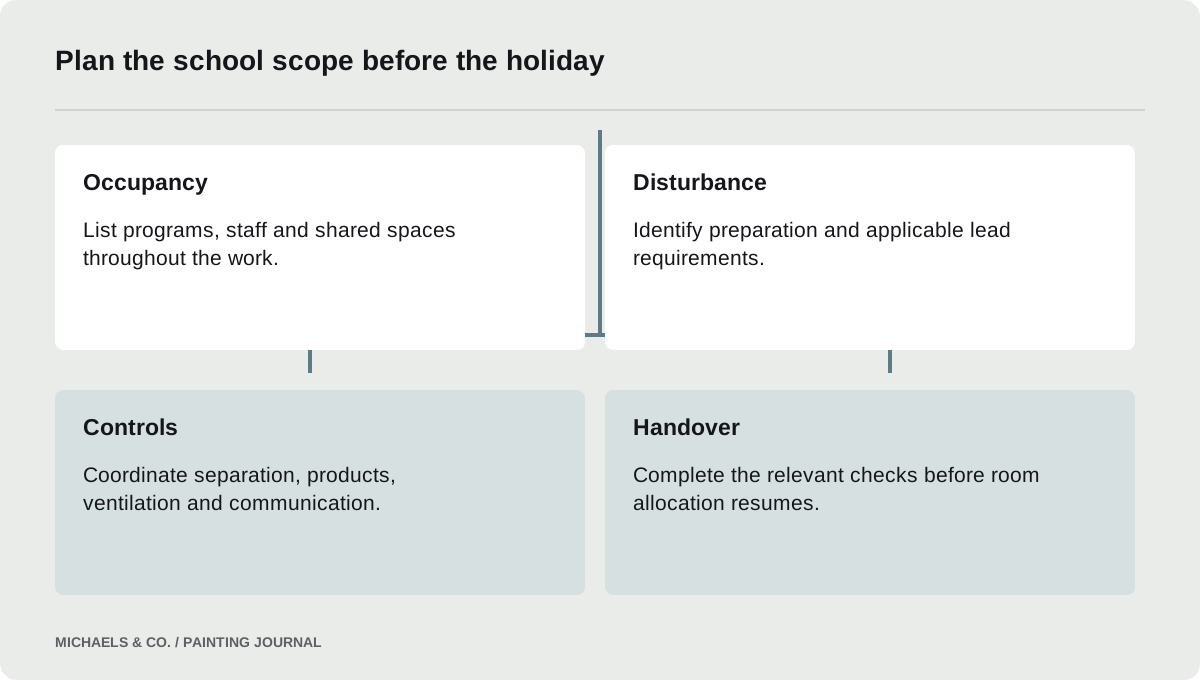
A school described as empty for summer may still host childcare, sports, tutoring, office staff and contractors. Start with a room-by-room calendar covering early arrivals, evening programs, weekend events and routes through the building. Include shared toilets, cafeterias and storage areas that occupants need even when their main classroom is elsewhere.
In one student's account of summer-school renovation, a class reportedly entered a renovation area without the custodian knowing it was occupied. The precise exposure was not established, but the coordination problem is clear. The painting schedule must be visible to the people who allocate rooms, not just the person who signed the purchase order. Give one administrator responsibility for reconciling program changes with the work plan.
Determine what preparation will disturb
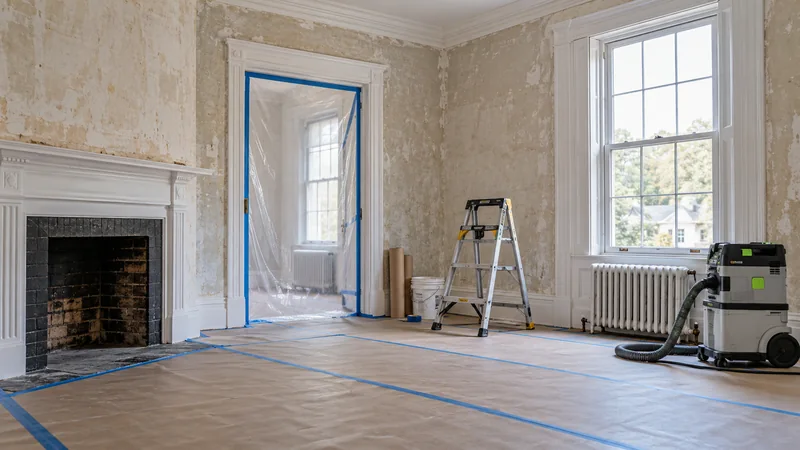
Painting may involve anything from applying finish over sound surfaces to scraping, sanding, repairing plaster or replacing trim. Those are materially different scopes. Record the preparation by room and surface rather than assuming a small finish area means a small disturbance. Obtain available building-age and lead records before pricing invasive work.
The EPA's childcare-facility guidance describes the federal RRP framework for qualifying pre-1978 child-occupied facilities. The definition and actual work matter; not every commercial space or every school activity is treated identically. In Massachusetts, use the state's program requirements for the project. If testing or existing records are proposed to establish an exception, have the responsible qualified professional explain what those records cover and what remains unknown.
Keep renovation and deleading contracts distinct
A repaint intended to refresh classrooms is not automatically a project intended to bring a property into lead-law compliance. The Massachusetts lead-safe renovation guidance distinguishes those purposes. Deleading has its own compliance process; ordinary renovation does not produce a Letter of Compliance merely because the crew used lead-safe practices.
This distinction matters when requesting bids. State the desired outcome and ask bidders to identify the credentials and documentation appropriate to that outcome. An existing compliance record also needs to be understood before later work disturbs previously enclosed material. Do not assume a fresh coat removes older layers or makes future preparation unrestricted. For mixed scopes, ask the state program or an appropriately qualified professional to clarify the requirements before work begins.
Design the work zone around children
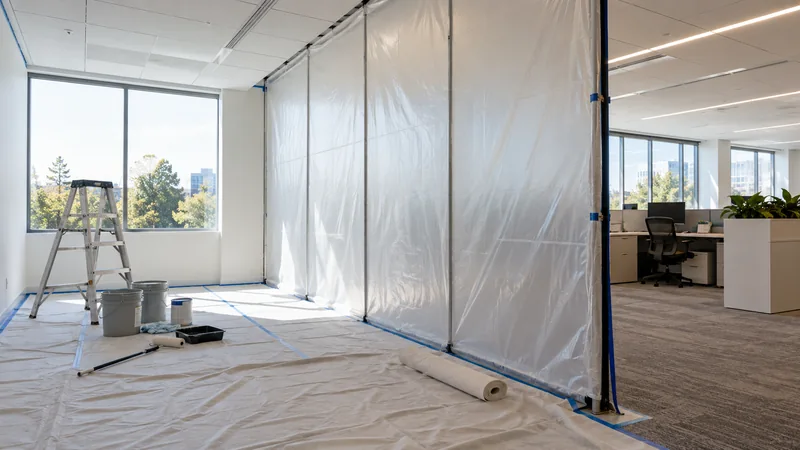
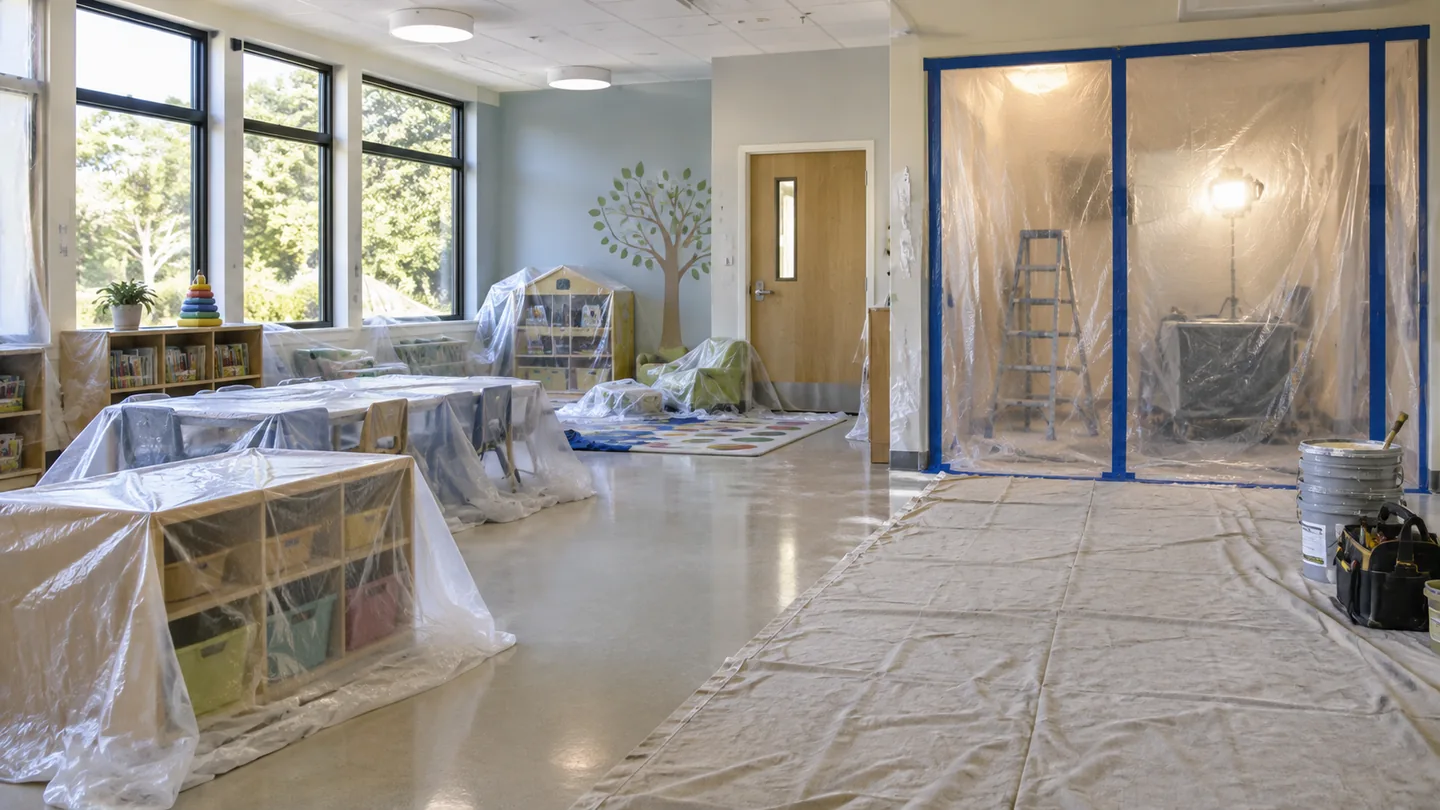
A barrier is useful only if it remains effective during the actual school day. Consider curious children, staff moving supplies, cleaners entering classrooms and programs that change rooms at short notice. Coordinate protected routes and controlled access with the building's responsible personnel. Avoid asking teachers to improvise a route through an active work area.
The EPA's school renovation guidance recommends timing, distance, barriers, ventilation coordination and cleanup. Translate those principles into a site-specific plan. Identify who inspects the boundary at the start and end of each shift and who receives reports of a damaged barrier. If the planned separation cannot be maintained, change the activity location or schedule rather than treating a sign as sufficient protection.
Choose the schedule after reviewing products
A holiday weekend creates an opportunity, not a guarantee that every coating will be ready when children return. List primers, cleaners, fillers and finish coatings, and review their safety and application documents. A specialty product used in one area may change the plan even when most of the project uses a familiar wall paint.
A teacher's report about overnight spray-paint work describes odor remaining in a closed classroom the next morning. The account cannot establish a health diagnosis, but it illustrates why “applied last night” is an inadequate handover. Coordinate ventilation during and after the work, and distinguish surface drying from readiness for occupancy and routine cleaning. Keep a contingency room available where the operating program permits it.
Make communications specific enough to act on
Staff notices should identify affected rooms, restricted routes, dates and the person who can approve changes. Parents may need clear information about program relocation and whom to contact with concerns. Avoid broad assurances such as “completely non-toxic” that exceed what the product documentation and project assessment support.
- Give room schedulers the current work map.
- Tell custodial staff which surfaces or zones remain restricted.
- Record product or schedule changes before the next program begins.
- Provide a contact for odor, dust or access concerns.
- Keep individual health information within appropriate school channels.
A single update source helps prevent contradictory messages from the contractor, front office and classroom staff. Confirm that substitutes and temporary employees receive the same practical access information.
Release areas through a documented handover
Name the people responsible for deciding that a room can return to use. Depending on the scope, the handover may involve the painting contractor, school facilities team and lead or safety professionals. Identify the records required by the applicable program and the separate checks required by the school.
Do not merge cosmetic acceptance, cleanup documentation and lead compliance into one vague signature. The administrator may accept a color while another required process remains incomplete. Record any remaining restrictions, unfinished work and scheduled return visits. Where a room cannot be released, notify program staff before they arrive and implement the agreed alternative. A checklist should make the decision traceable; it should not imply that a school employee can certify a technical condition outside their responsibilities.
Retain records for the next maintenance cycle
Keep product information, approved color schedules, room maps, preparation scope and applicable lead records in the building's maintenance file. Identify areas with earlier repairs or enclosed materials so the next team does not treat all surfaces as equivalent. Record whom to contact for questions about the work.
A short review after reopening can reveal practical gaps: unexpected programs, doors that needed more protection, cleaning instructions that arrived late or staff who never saw the notice. Use those findings to improve later phases. Schools often repaint incrementally over years, with different contractors and administrators. Clear records reduce the chance that a new team repeats old assumptions about occupancy, hidden coatings or the meaning of a previous compliance document.
Questions & answers
Do school employees need credentials if they perform the painting?
Do not assume in-house work is outside lead renovation requirements. The applicable program considers the building, facility use and activity, not simply whether an outside painter was hired. EPA specifically addresses childcare operators and their employees. Massachusetts facilities should confirm the state requirements for the actual maintenance scope before disturbing older coatings.
Does a school holiday provide enough time for repainting?
It depends on the preparation, products, environmental conditions and intended use after the break. Build the schedule around those factors and include cleanup and release checks. A holiday also may include camps or staff activity, so verify the real occupancy calendar rather than treating the building as empty.
Does lead-safe renovation give the building a compliance letter?
Not by itself. Massachusetts distinguishes renovation performed for repair or appearance from deleading intended to achieve compliance with the lead law. Clarify the required outcome before requesting bids, and retain the appropriate documentation. A repainting invoice is not a substitute for the relevant compliance process.
Sources & further reading
- EPA renovation and repair IAQ guidanceEPA guidance recommends unoccupied scheduling, separation, ventilation coordination and daily cleanup; this is not a universal reopening rule.
- EPA RRP for childcare operatorsPre-1978 qualifying child-occupied facilities can fall under RRP, including portions of commercial properties.
- Massachusetts lead-safe renovation for homeownersState LSR licensing and supervisor rules differ from deleading; renovation does not produce a Letter of Compliance.
Reader discussions
These conversations describe problems people encountered. They do not establish the cause of a defect or replace product instructions and applicable requirements.