Can Your Sprayer Handle That Primer? Read These Specifications First
A sprayer can handle a primer only when the exact product's application requirements fit the machine, gun, tip and cleaning system. Compare the primer's recommended orifice and pressure with the equipment ratings, and check whether reduction is permitted. If the requirements do not overlap, choose different equipment or another approved method. Do not use thinner as a workaround for a primer that prohibits it.
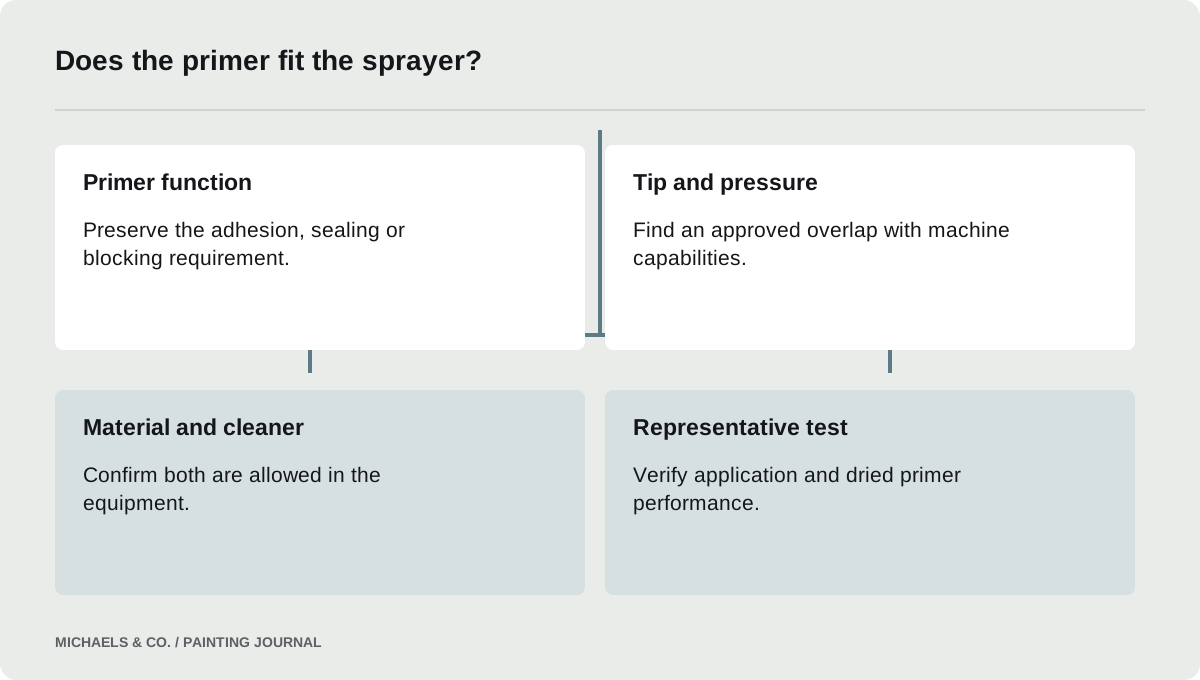
Do not let the word primer make the decision
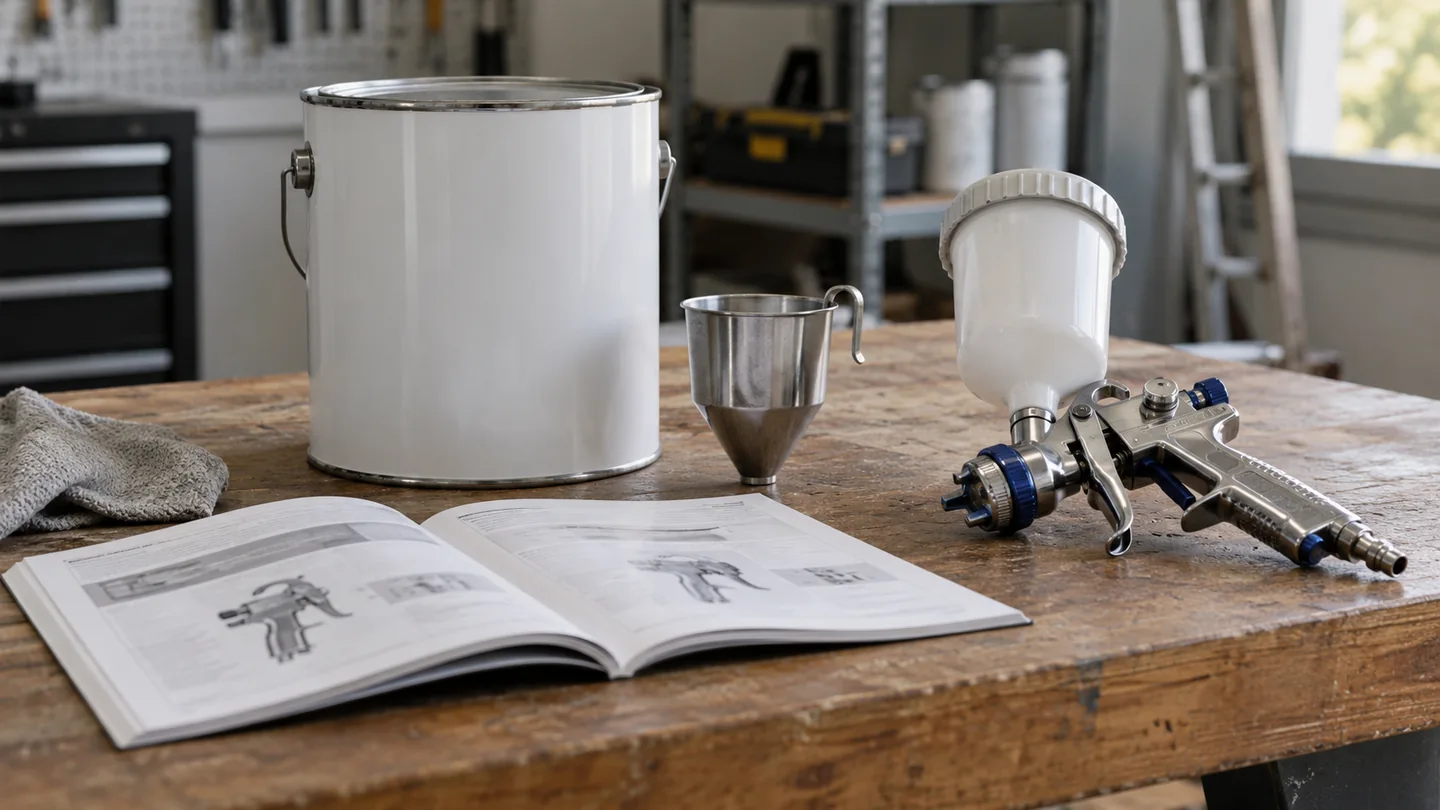
Drywall sealer, bonding primer, stain blocker and high-build undercoat can have very different application requirements. A compact sprayer that handles one may struggle with another or be prohibited from using its solvent system. Identify the exact product code and current technical sheet before assuming the equipment is suitable.
A Reddit discussion about tail lines while spraying oil primer through a QuickShot includes suggestions to alter the material despite label concerns. The thread is useful evidence of the buying and setup problem, not authority to override the product. Before filling the sprayer, write down why that primer was selected: absorption control, adhesion, stain blocking or build. If equipment limitations force a change of product, the replacement still needs to perform the original job. Choosing a thinner primer solely because it sprays easily can leave the substrate's real requirement unresolved.
Compare tip ranges with a concrete example
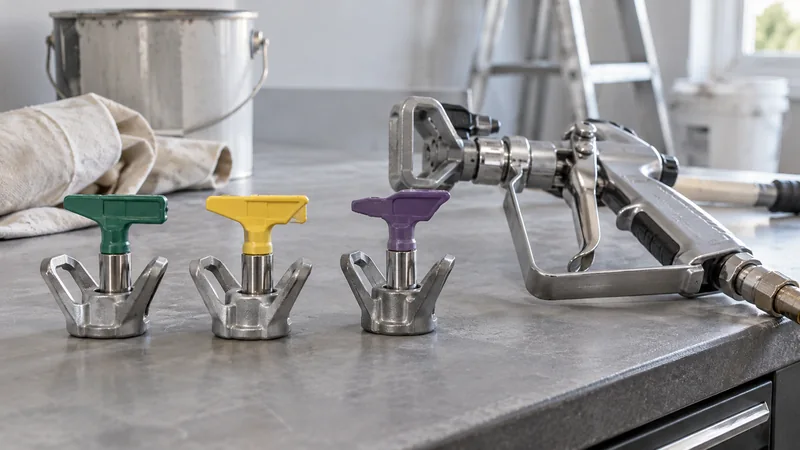
The Stix SXA-110 technical sheet specifies a 0.013–0.017-inch airless tip and 2,200–2,500 psi, and says not to thin. Those are instructions for that product, not for every bonding primer. The machine and its compatible gun-and-tip system must support the required setup.
Suppose a sprayer's maximum approved tip is 0.015 inch. That numerical limit overlaps part of Stix's stated range, but the overlap alone does not prove compatibility: the machine must also permit the material and support the necessary operating conditions. Conversely, a primer requiring an opening above the machine's maximum has no acceptable overlap. Do not install a larger tip merely because it fits the guard. Graco's tip-selection guide specifically links tip choice to both coating requirements and sprayer capacity. Treat the smallest shared range as a screening step, followed by the remaining compatibility checks and a proper test.
Check material and cleaning restrictions separately
A coating may be described as waterborne or oil-based, but equipment restrictions can be more specific. Read the manual's permitted-material and cleaning-fluid sections, including any limits involving flammable or otherwise incompatible liquids. Cleanup is part of compatibility because the fluid path must be cleaned safely after the primer is applied.
Do not assume that permission to spray a coating automatically permits any cleaner sold beside it. Identify the cleaner specified by the coating and allowed by the equipment. Arrange waste handling and ventilation appropriate to both. If the product label and equipment manual leave a conflict, resolve it with the manufacturers before use. Changing to another approved application method can be simpler than attempting to adapt a small machine. The correct decision protects both the applied system and the equipment; a successful short spray test does not validate an incompatible material or cleaning process.
Understand why thinning is not a neutral adjustment
Adding liquid changes more than how easily a product moves through a tip. The manufacturer may allow a measured amount of a specified reducer, or prohibit reduction entirely. Follow that exact instruction. A forum recipe based on feel does not establish the final coating's performance, build or suitability for the substrate.
For a product that allows reduction, record the amount and type precisely, stay within the stated limit and test the approved mixture. For a product that says do not thin, the decision remains equipment or method selection. Do not confuse water cleanup with permission to add water during application. Likewise, a conditioner marketed for some waterborne paints is not automatically approved in every primer. If the primer has already been modified without an approved basis, keep it separate from unmodified material and seek guidance rather than using it as the baseline for a critical adhesion or stain-blocking coat.
Use filters and preparation specified for the system
Dried skin, poorly mixed material and incompatible filtration can undermine an otherwise suitable combination. Prepare the primer as directed and keep its working container clean. Confirm the appropriate filters and tip family rather than assuming whatever came with the machine is correct for all coatings. A high-build or specialty product may require a different approved arrangement.
Check the sprayer's condition before blaming viscosity. A partially obstructed component, worn tip or incomplete startup can produce symptoms that tempt the operator to thin the product unnecessarily. Follow the manual for inspection and pressure relief before service. Never remove safety devices or improvise a repair to increase flow. Graco's technique guidance applies after the system is functioning correctly; controlled movement cannot compensate for unstable delivery. Establish a known clean, approved setup first, then evaluate the pattern with the actual primer on a separate test surface.
Graco's airless-safety guidance directs operators to the model-specific manual for its warnings and procedures. Review that manual before startup, not only when a problem interrupts spraying.
Make a compatibility worksheet before renting
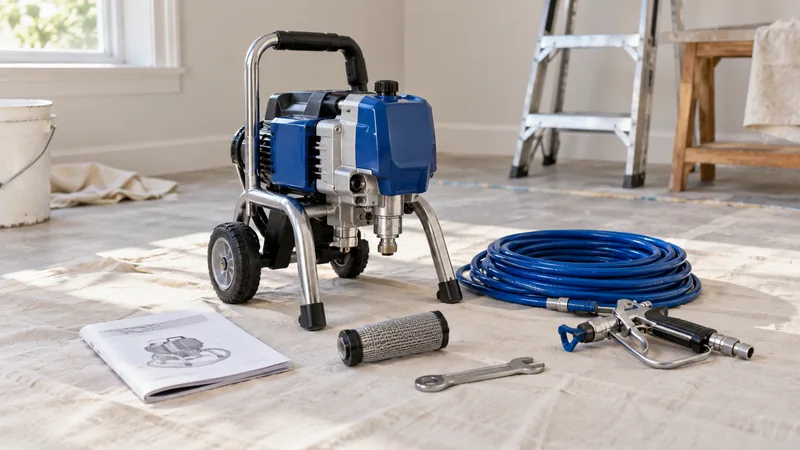
A rental counter can help more effectively when you bring exact requirements instead of asking for a machine that sprays primer. Record the following and confirm them against the specific unit offered.
| Primer requirement | Equipment question |
|---|---|
| Approved spray method | Does this machine use that method? |
| Tip-orifice range | Is there overlap with its supported rating? |
| Operating pressure | Can the approved setup operate in that range? |
| Material and reducer | Are both permitted by the manual? |
| Filter and cleanup | Are the correct components and cleaner available? |
Also ask about the rental unit's condition and demonstration procedure. A nominally suitable model with an unknown worn tip is not the same as a verified setup. Keep time in the rental schedule for testing and proper cleanup rather than reserving only the application hours.
Evaluate the primer film, not just the spray fan
A neat fan does not prove that the primer has been applied at the required build or has produced a suitable base. Check the product's coverage and film requirements, then allow the specified drying before evaluating the surface and applying topcoat. A primer can look uneven in color while still performing its intended sealing role, or look opaque while being unsuitable for the substrate.
Use a representative sample that includes the actual material and preparation. Where the system requires back-rolling or another working step, include it in the test. If the sample cannot be applied consistently within the approved limits, stop before coating the whole project. Brushing or rolling may be a valid alternative for some primers, but confirm that method in the product instructions. The decision is successful when the primer performs its assigned job through a repeatable approved process, not merely when it passes through a small sprayer.
Questions & answers
My sprayer says it handles unthinned paint. Does that include every primer?
No. A broad capability statement does not replace the machine's material restrictions or the primer's tip and pressure requirements. Compare the exact products and components. Specialty primers can differ substantially from the wall paint used in a general demonstration.
Can I use a larger tip than the sprayer's maximum?
Do not exceed the equipment's approved tip rating. A tip fitting physically into a guard does not establish pump capacity or safe operation. If the primer requires a larger opening, select appropriate equipment or another application method the coating manufacturer permits.
Is brush-and-roll primer inferior to sprayed primer?
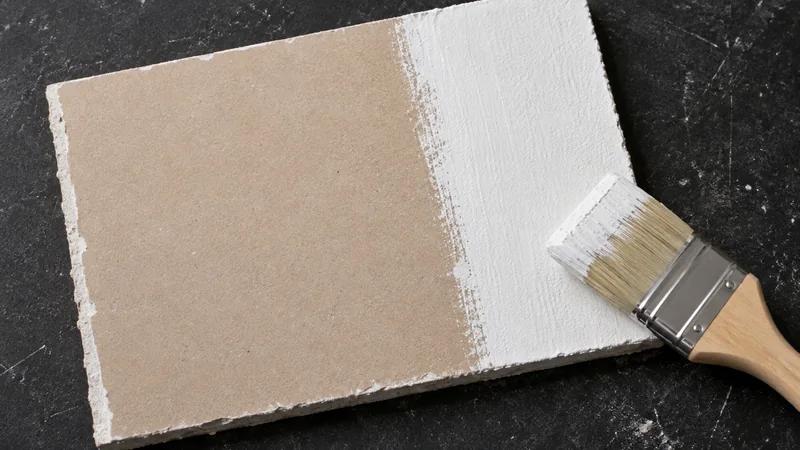
Not inherently. The relevant question is whether the method is approved and produces the required coverage, build and surface condition. Spraying can improve production on suitable work, but preparation and correct application matter more than the delivery method alone.
Sources & further reading
- INSL-X Stix SXA-110 Technical Data SheetClean, sound surfaces and compatible topcoats remain required; degloss challenging glossy surfaces and test questionable substrates.
- Graco: Spray TechniquesTest the pattern, use suitable pressure and tip, keep consistent distance and overlap passes.
- BEHR Drywall Plus Primer and SealerThis acrylic primer lists new and previously painted interior substrates, with preparation and finish-sheen limits.
- Graco: Choosing and Understanding Airless Spray TipsTip numbering distinguishes fan width and orifice; coating recommendations and sprayer capacity constrain selection.
- Graco: Airless Sprayer SafetyFollow equipment-specific warnings and procedures for injection, fire, toxicity and other airless-spray hazards.
Reader discussions
These conversations describe problems people encountered. They do not establish the cause of a defect or replace product instructions and applicable requirements.