A Home Inspection Passed: Why That Does Not Certify the Paint Job
A standard home inspection does not certify every painted surface or rule out all hidden damage. In Massachusetts, the inspection framework is visual and limited, with defined requirements and exclusions. Read what the report actually observed and what follow-up it recommended. A coating workmanship review, moisture investigation or invasive assessment may require a separate professional and scope. A clean report is useful information, not an unlimited warranty of the paint or concealed assembly.
Read the report before interpreting its conclusion
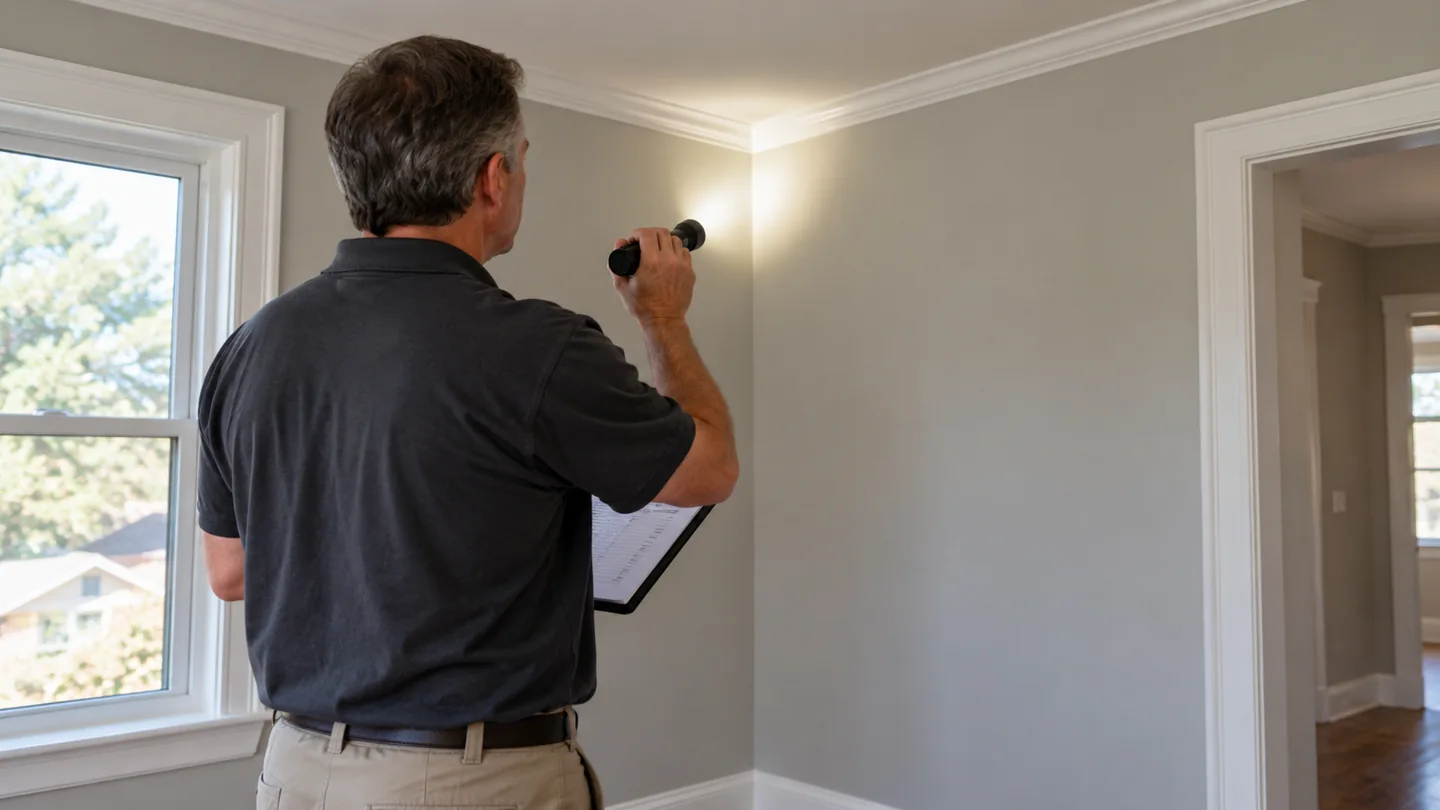
Home inspection reports often describe observed conditions, inaccessible areas and recommended follow-up rather than issuing a simple pass or fail. Locate the sections relevant to the concern and read the limitations alongside the findings. Ask the inspector to explain wording you do not understand.
The Massachusetts consumer fact sheet describes a standard inspection as a visual examination with inherent limits. That matters when a buyer later discovers a condition behind fresh paint. The absence of a warning about a particular cavity does not necessarily mean the inspector examined or guaranteed it. Conversely, a limitation should not be used casually to dismiss a required observable condition. The actual agreement, standards and report need to be considered together.
Distinguish finish appearance from building condition
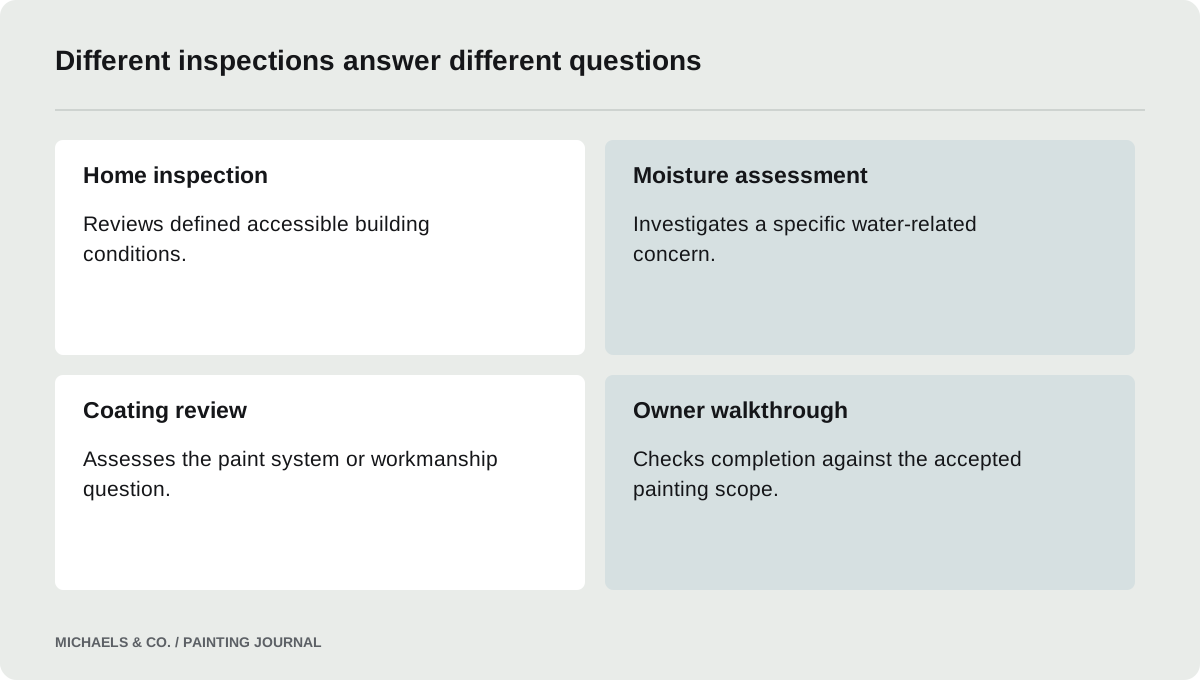
Paint can be evaluated for appearance, workmanship, compatibility or evidence of a building problem. Those are different questions. A slightly uneven cut line may concern the painting contract, while a stain or distorted material may suggest water penetration requiring further assessment.
Massachusetts 266 CMR 6 standards define the inspection's scope and exclusions. Do not assume a home inspector's general visit includes a detailed coating acceptance inspection. If the concern is whether the painter applied the specified product or prepared the surface adequately, ask for a service designed to address that question. If the concern is hidden moisture, select the relevant building assessment rather than expecting a finish review to answer it.
Understand accessible-area limitations
Furniture, stored items, finishes and concealed cavities can limit what is observable. A standard visual inspection generally does not mean dismantling every assembly or removing coatings. Record which areas were inaccessible and whether the report recommended further access or investigation.
A buyer's report of shower-area deterioration discovered after closing illustrates the gap between a visible inspection and later exposure of materials. The post cannot establish whether the inspector met their obligations or whether the seller concealed anything. Those questions need the actual evidence. Ask what signs were observable at the inspection date, what the report covered and what additional work would have been needed to examine the concealed condition.
Interpret cautionary language without assuming an accusation
An inspector may note that a surface change could obscure an earlier condition or recommend asking for repair records. That wording can describe uncertainty rather than conclude that a seller acted dishonestly. Ask the inspector to separate direct observations from possible explanations.
In a seller's account, a statement about possible concealment through paint caused concern even though the seller said the paint was old. The appropriate response is to clarify the factual basis and provide relevant records. Buyers should avoid turning a possibility into a proven allegation, while sellers should not assume every recommendation for more investigation is improper. A clear report identifies the observation, limitation and next question without overstating the conclusion.
Choose follow-up expertise around the unresolved question
Before hiring another professional, write one or two questions the assessment must answer. Is there current moisture? What is the likely source? Is the coating failing between layers? Does the supplied finish match the contract? Different professionals and methods may be needed.
| Unresolved issue | Possible assessment focus |
|---|---|
| Recurring stain | Water source and affected assembly |
| Peeling coating | Substrate and coating-system failure |
| Wrong material | Product records and specification comparison |
| Concealed damage | Authorized specialist investigation |
The table is a way to frame the inquiry, not a prescription for every property. Ask the professional to explain their qualifications, method, limitations and deliverable before committing to the work.
Treat test results as evidence with limitations
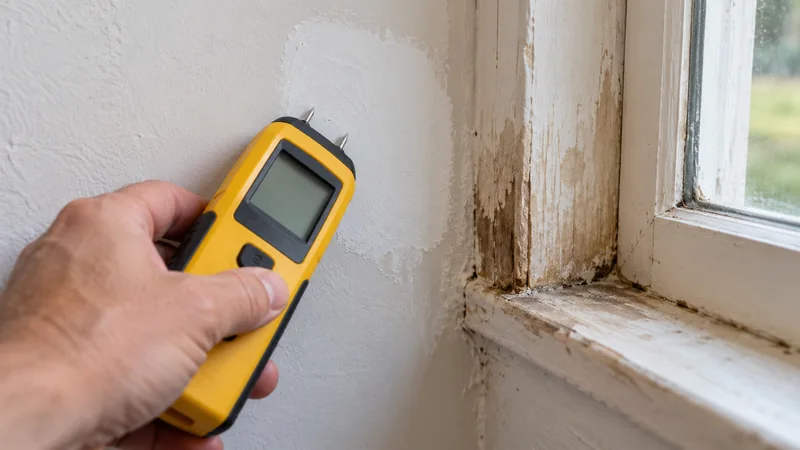
A specialist may use instruments or limited testing to investigate a condition. Ask what the readings or observations mean for the specific material and what they cannot establish. A temperature pattern, moisture-meter response or adhesion observation is not automatically a complete diagnosis of the assembly.
Do not ask a contractor to create an invasive demonstration without permission and hazard assessment. Older coatings, unknown materials and occupied conditions can affect how investigation is performed. A useful report explains where the assessment occurred, the conditions at the time and any areas not examined. It should also distinguish a technical finding from a legal conclusion about fault, disclosure or contractual responsibility. That separation makes the evidence more credible and useful.
Coordinate additional investigation with transaction deadlines
If a report recommends follow-up, send the recommendation to the relevant transaction professionals promptly. Access, seller permission, contingencies and closing dates may affect what can be done. The inspector's recommendation does not itself extend a contractual deadline.
A buyer's late-stage moisture dispute shows the pressure that can arise when new findings appear after other decisions have been made. Its legal outcome cannot be generalized. Preserve the new evidence and ask your agent or attorney what options remain under the actual agreement. Avoid choosing between blind acceptance and unsupported accusations when a focused assessment or documented repair proposal may clarify the practical risk.
Use the right acceptance process for painting work
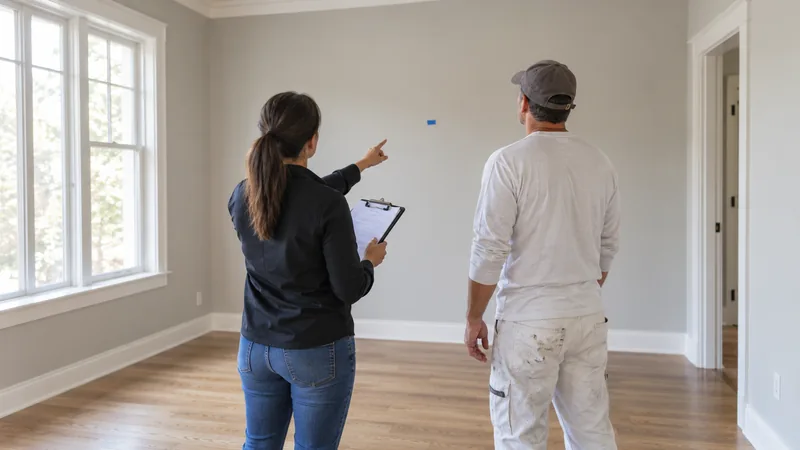
If the property is being repainted as part of the transaction or immediately afterward, create a separate painting scope and walkthrough. Identify products, preparation, affected surfaces, appearance expectations and correction procedures. Do not rely on the earlier home inspection to serve as the painter's quality-control record.
Keep the inspection report, specialist findings and painting records together but label their different purposes. A building-permit inspection, a home inspection and an owner acceptance walkthrough are not interchangeable certifications. Good records help later readers understand what each professional actually evaluated. The practical benefit is a more accurate decision: you can use the home inspection for the information it provides while obtaining targeted evidence for the questions it was never designed to settle.
Questions & answers
Does a home inspector have to identify every paint defect?
Do not assume that. The applicable standards and inspection agreement define the service, and cosmetic coating workmanship may be outside a standard home inspection's detailed scope. Ask what was evaluated and whether a separate coating assessment is appropriate. Visible signs of a building problem should be considered under the relevant inspection requirements.
Does no moisture warning mean the wall was dry inside?
Not necessarily. A visual inspection may not examine a concealed cavity, and intermittent conditions may not be present during the visit. Read the report's observations and limitations. If there are new or unresolved signs, ask an appropriate professional what additional assessment would answer the question.
Can an inspector determine that a seller intentionally concealed damage?
An inspector can document conditions and may identify evidence relevant to further investigation. Intent and legal responsibility are different questions and should not be inferred from fresh paint alone. Preserve factual findings and discuss disclosure or contract concerns with the appropriate transaction and legal professionals.
Sources & further reading
- Massachusetts home inspectors consumer fact sheetA standard home inspection is visual and limited; findings may call for specialized investigation.
- Massachusetts 266 CMR 6 standards of practiceInspection scope has limitations and exclusions; it is not a coating workmanship certification.
Reader discussions
These conversations describe problems people encountered. They do not establish the cause of a defect or replace product instructions and applicable requirements.