Bonding Primer, Stain Blocker or Drywall Sealer: Which Job Needs Which?
Choose primer by the job it must perform: controlling absorption, promoting adhesion or blocking a particular stain. Those functions can overlap in a product, but they are not interchangeable. Identify the substrate, its condition and the intended topcoat before selecting a primer. A clean new drywall wall, a slick existing finish and a repaired water stain may need different preparation even when they will all receive the same finish color.
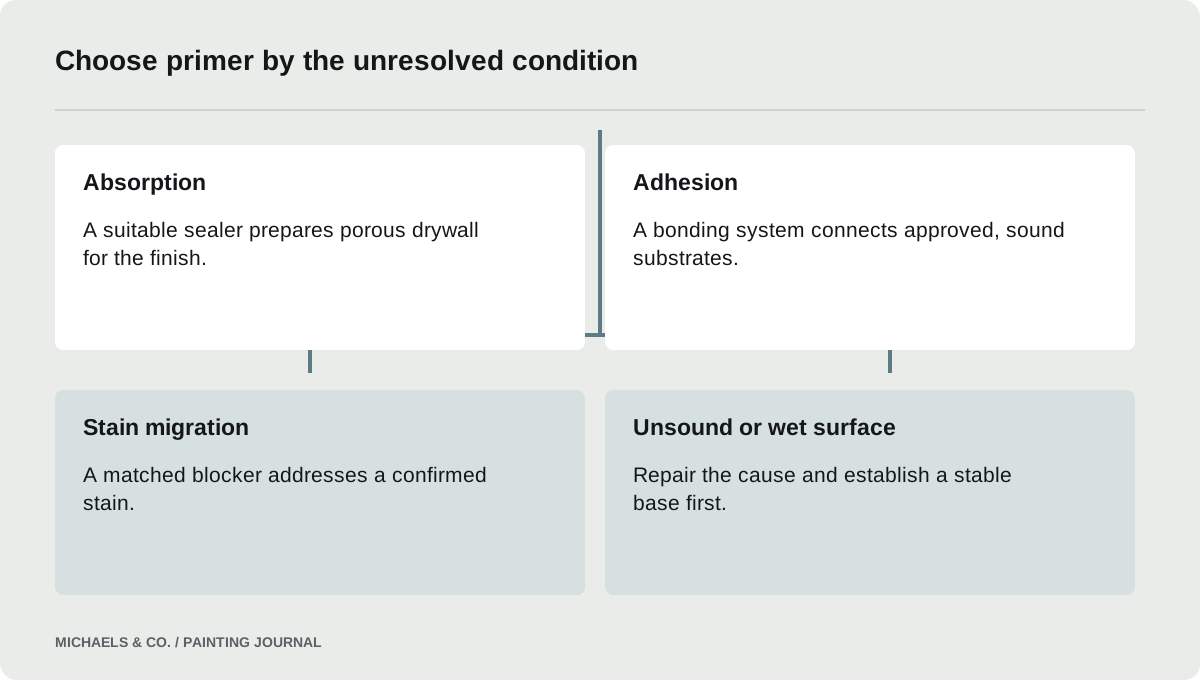
Name the problem before naming a product
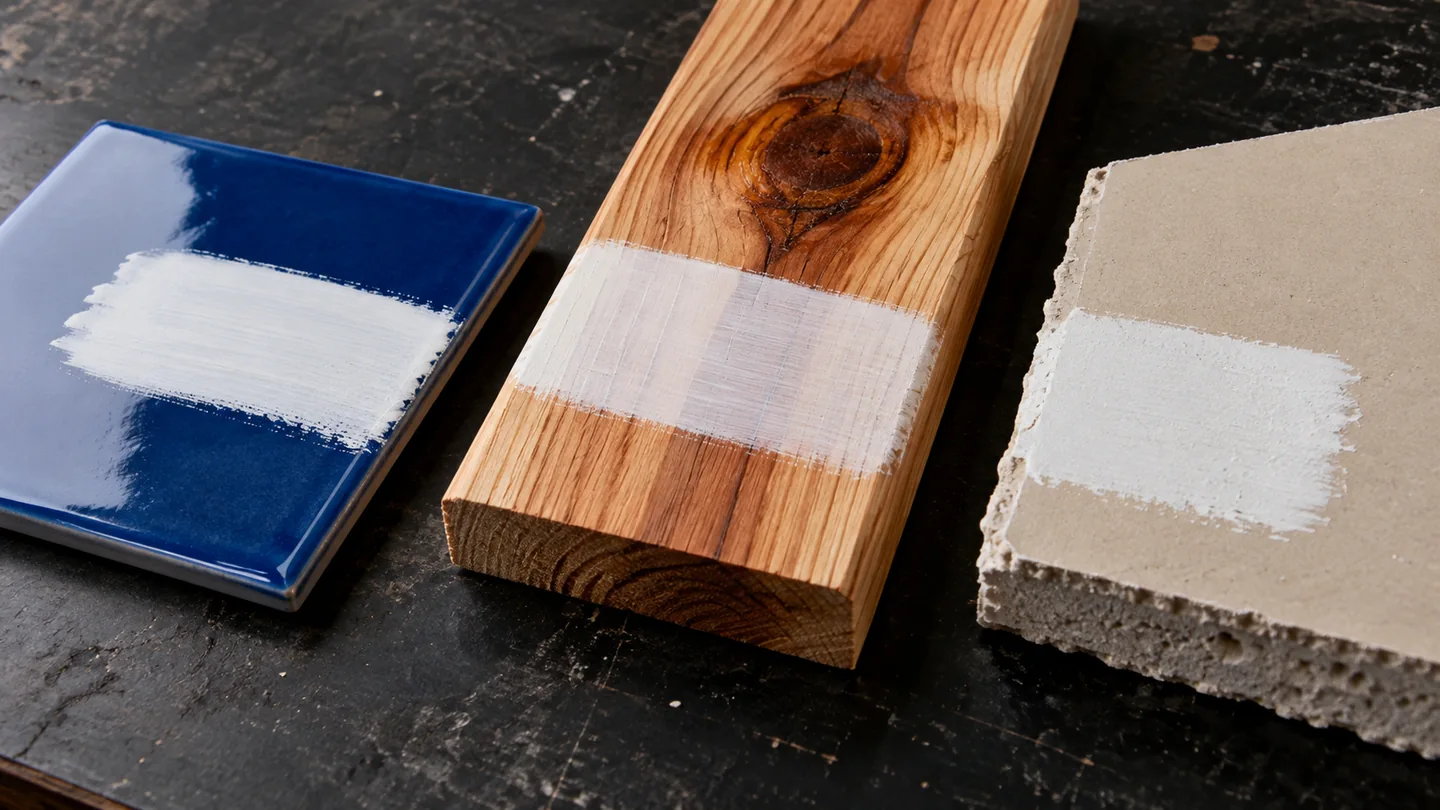
“What is the best primer?” leaves out the information that makes a recommendation useful. Ask instead what must change before the finish coat can perform: is the surface too absorbent, difficult to bond to, stained, unstable or still damp? Primer can address some of those conditions, while others require repair first.
A Reddit discussion about new drywall primer includes conflicting recommendations for PVA, multipurpose and stain-blocking products. The disagreement becomes easier to resolve when the substrate and finish requirements are stated. List bare drywall, joint compound, sound old paint and any stains separately. Do not assume one room contains only one preparation condition because the final color will be uniform.
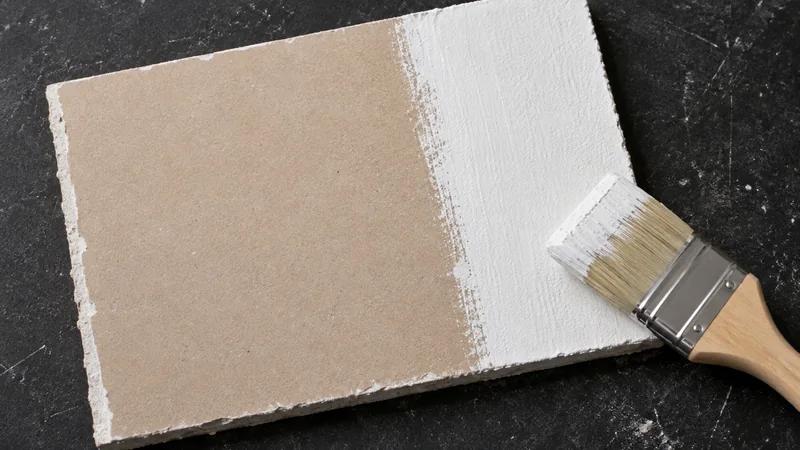
Use a drywall sealer for its intended porous surface
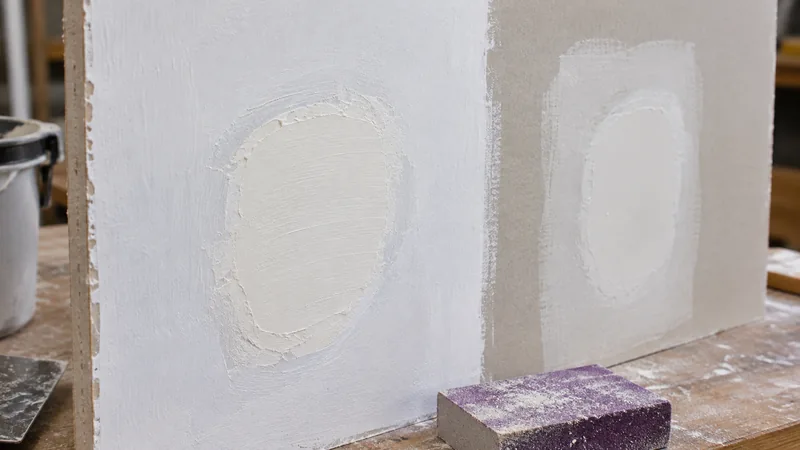
New drywall and joint compound can absorb coating differently. A suitable primer helps establish a more consistent base for the finish, but it does not level an uneven patch or remove sanding scratches. Surface shape and coating absorption remain separate questions. Inspect the prepared wall before covering it with white primer that can make defects harder to distinguish temporarily.
KILZ PVA Drywall Primer is a specific example intended for uncoated drywall beneath flat or low-sheen finishes. Its limitations should not be transferred automatically to every product called PVA, nor should its name be treated as approval for glossy old paint or stain blocking. Check the selected primer's approved substrates and topcoat requirements. A different finish system may call for a different sealer.
Use bonding primer where the approved system needs adhesion
A bonding primer is selected for its ability to connect the prepared substrate to a compatible finish. It is often considered for difficult smooth surfaces, but it does not attach loose paint back to the wall. If the underlying coating is peeling, the new system will depend on that weak layer unless preparation removes or properly addresses it.
The Stix technical sheet illustrates why the details matter: suitability for challenging surfaces comes with preparation, testing and service limitations. Read the full system directions rather than relying on the phrase bonding primer. Clean contamination before deglossing where required, assess older coatings before disturbance and test uncertain substrates. Strong adhesion to the wrong remaining layer still leaves a weak overall system.
Match stain blocking to the actual stain
A stain blocker aims to keep a particular discoloration from migrating into the finish. It is not a repair for an active roof leak, a method of removing mold or a substitute for cleaning surface deposits. First determine whether the mark is within the coating system, sitting on its face or being replenished by a continuing building condition.
Sherwin-Williams' tannin-staining guidance describes wood extractives and the importance of moisture conditions. That is a different selection problem from ordinary bare drywall. Identify the stain and ask for a product specifically suitable for it and the substrate. A successful test should include the planned finish coat, because a primer that looks clean by itself has not yet demonstrated the complete result.
Use a decision table instead of a universal shopping list
The following table organizes the decision; it is not a specification for every product in a category. Keep the manufacturer's exclusions beside the claimed benefit when comparing labels.
| Starting condition | Main question | What primer cannot replace |
|---|---|---|
| Bare drywall and compound | Which sealer suits the intended finish? | Flattening and texture correction |
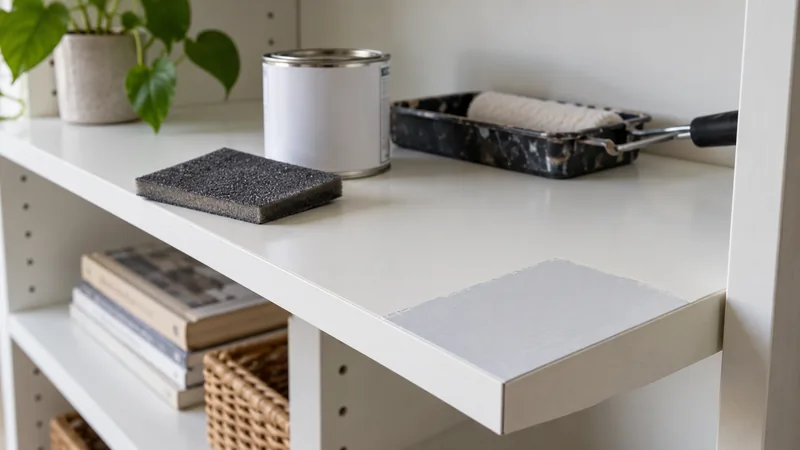
| Sound glossy surface | Which adhesion system permits this substrate? | Cleaning and required deglossing |
| Confirmed migrating stain | Which blocker addresses this stain? | Repairing an active source |
| Loose or crumbling material | What repair creates a stable base? | Structural or substrate repair |
When several rows apply, document the sequence and boundaries rather than choosing the strongest-sounding can and using it everywhere.
Plan transitions between different surfaces
A patched wall often combines porous compound with an existing painted field. Spot treatment may address absorption at the repair, but the final appearance also depends on texture, feathering and the finish system. Ask whether the proposed system calls for local priming, full-surface priming or another approach under the actual conditions.
Mark the areas needing different treatment before work begins. On a contractor's proposal, identify which repairs and stained areas are included so that “prime as needed” does not hide two different expectations. Keep the sample large enough to cross a transition. A primer can perform its intended function while the edge of a repair remains visible for a completely different reason. Diagnose that distinction before adding another product.
Check compatibility above and below the primer
A primer belongs between two things: the substrate below and the finish above. Read both sides of that relationship. A product suitable for a specific plastic may have restrictions on water exposure, exterior service or the type and timing of the next coating. The topcoat may introduce requirements not obvious from the primer's front label.
Record the exact product identifiers and current data sheets, including regional versions where relevant. Do not blend products or add a second primer simply because two separate labels each mention the substrate. Additional layers can introduce their own compatibility and drying questions. If a supplier proposes a combination that is not clearly documented, request a written system recommendation and test it before applying the entire project.
Approve the sample and keep the reason for each layer
A useful sample records more than color. Note the original surface, cleaning, repair, primer, topcoat and time between stages. Evaluate the concern that justified the primer: adhesion, absorption control or stain blocking. Also assess the final appearance under the expected lighting. One observation cannot substitute for all of those checks.
Keep the successful sample and product records for future repairs. If a stain returns or paint releases, knowing why a layer was chosen makes investigation more efficient. It also helps avoid the common escalation from one primer to several unrelated primers without a diagnosis. The best system is the one that addresses the documented conditions with compatible materials and a repeatable preparation process, not the one with the most layers.
Questions & answers
Is oil-based primer always better than water-based primer?
No. Resin type alone does not establish suitability for a substrate, stain or topcoat. Both categories contain products with different purposes and limitations. Compare the exact approved use and preparation requirements, and account for ventilation, cleanup and the work environment when choosing the system.
Does tinted primer guarantee coverage in one finish coat?
Tinting may be recommended for particular color changes, but it does not override the finish coating’s application requirements or the agreed result. Use an approved primer tint and a representative sample. Do not assume that matching the primer color establishes the required topcoat film or uniform appearance.
Can I use leftover bonding primer on every drywall patch?
Only if that product permits the substrate and fits the chosen finish system. A leftover can may be suitable, unnecessary or inappropriate depending on the repair and surrounding paint. Check its condition and instructions, then consider absorption and texture separately before deciding how much surface needs priming.
Sources & further reading
- KILZ PVA Drywall PrimerThis specific PVA primer is intended for uncoated drywall under flat or low-sheen finishes, not stains or glossy substrates.
- INSL-X Stix SXA-110 Technical Data SheetClean, sound surfaces and compatible topcoats remain required; degloss challenging glossy surfaces and test questionable substrates.
- Sherwin-Williams: Tannin StainingDelayed tannin staining can indicate moisture migration; correct moisture and use a coating designed to block tannins.
Reader discussions
These conversations describe problems people encountered. They do not establish the cause of a defect or replace product instructions and applicable requirements.