White Deposits Push Through Painted Masonry: Efflorescence Is a Moisture Clue
White deposits on painted masonry may be efflorescence, where moisture carries salts to the surface. Similar-looking residue still needs identification, especially when mold or failing plaster is also suspected. Check the assembly, timing and moisture paths before cleaning or repainting. If deposits continue to form, the source remains unresolved and another coat is premature. Repair the cause and use a coating system suitable for the actual masonry condition.
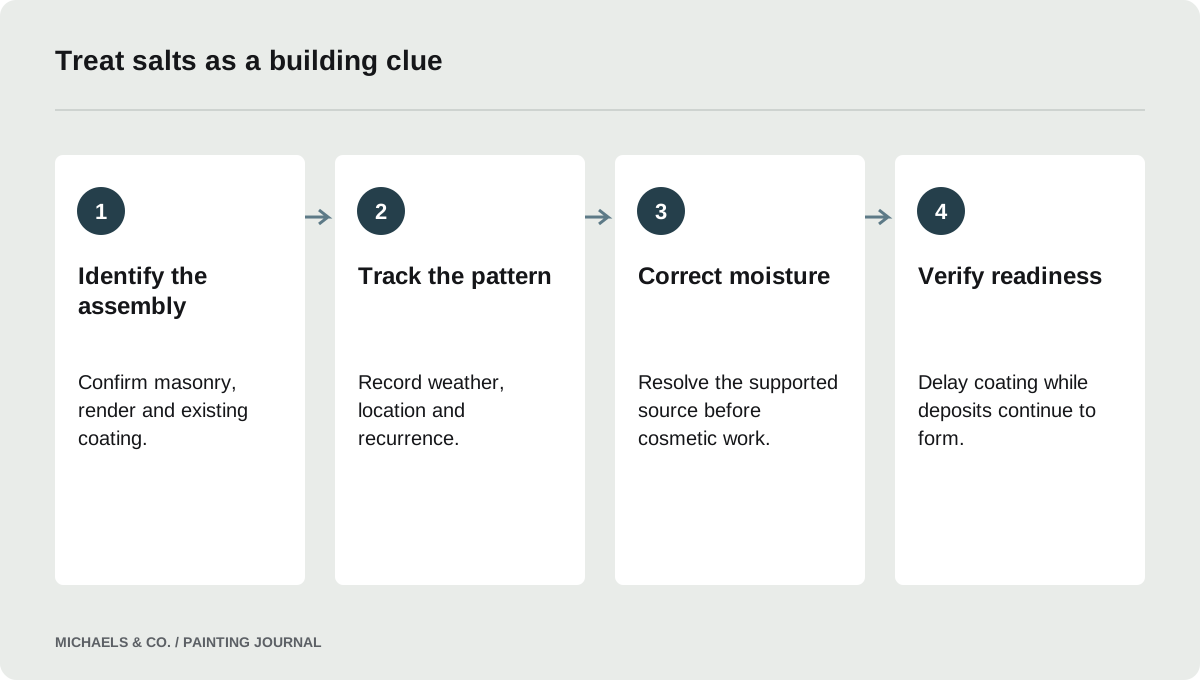
Identify the wall assembly before naming the deposit
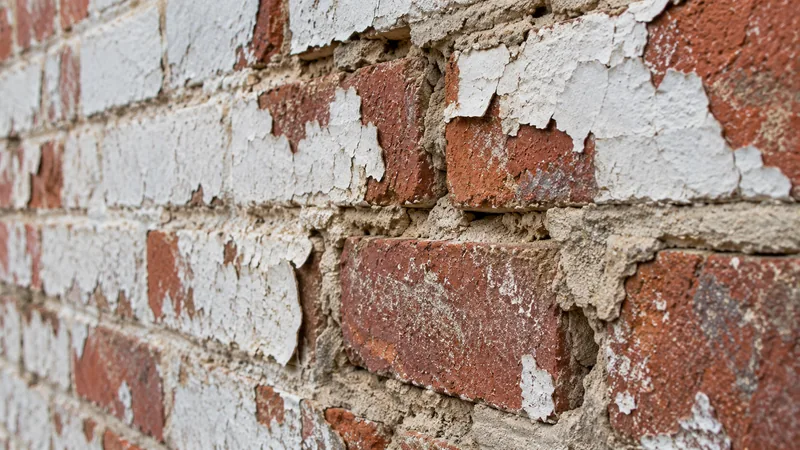
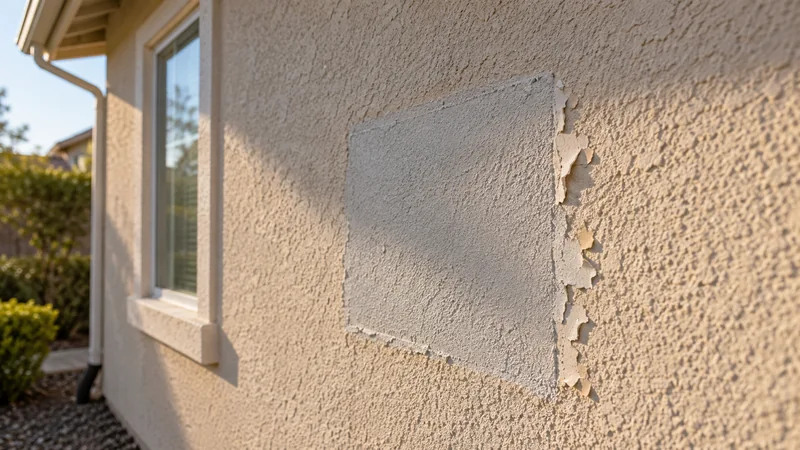
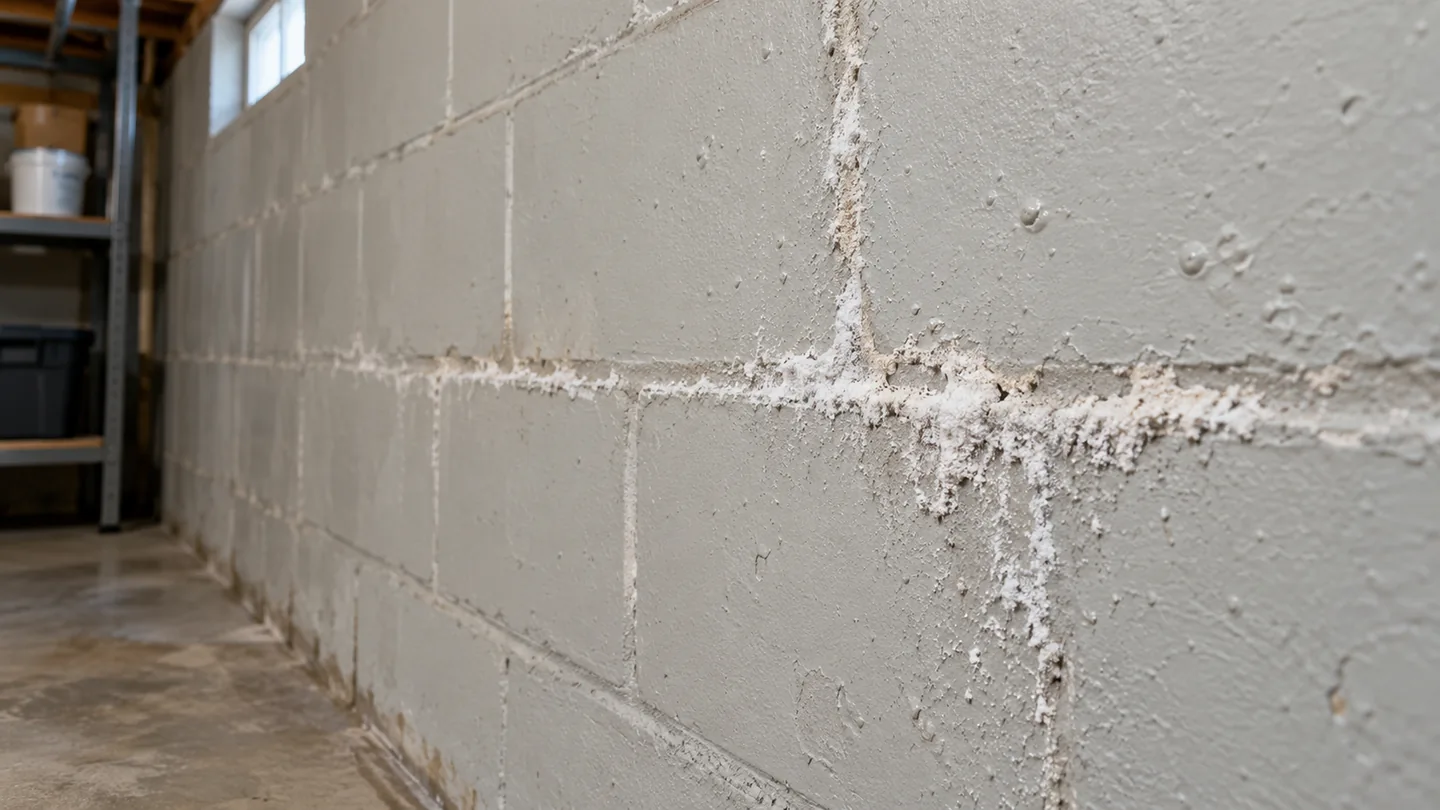
Determine whether the surface is concrete, brick, block, plaster over masonry or drywall. Ask about recent rendering, repairs and previous waterproofing or painting. A powder on painted drywall raises different questions from crystals emerging through a masonry joint.
The resident in this Reddit discussion described deposits on a cement-plastered brick bedroom wall after it had been stripped, treated and repainted before the rainy season. Commenters suggested salts and moisture. The thread documents recurrence after cosmetic work, not a definitive mold assessment. Start by recording the material and history so the investigation is not based solely on the color of a close-up photograph.
Understand what efflorescence indicates
Sherwin-Williams: Efflorescence describes salts reaching a masonry surface as moisture moves through it and evaporates. Continuing deposits therefore connect the finish problem to a moisture condition rather than simply to the hiding power of the paint.
The presence of a salt deposit does not identify the exact entry point or establish structural condition. Water may originate from weather, ground-related conditions, indoor moisture or another source in the assembly. The inspection must connect the observed pattern with the building. Do not present a stain-blocking primer as a complete solution to a process that continues to transport moisture and salts through the wall.
- Photograph the deposit's distribution across joints, blocks, floor junctions, and exterior drainage features before removing it, preserving clues about where water travels through the masonry.
- Compare changes after rain, irrigation, or indoor moisture events and record whether the surface merely discolors or the coating also blisters and detaches nearby.
- Have the moisture pathway assessed before choosing a replacement coating, especially where repeated deposits suggest water continues moving through material behind the painted face.
- Check the cleaned and repaired surface against the selected system's substrate and moisture requirements; the disappearance of visible white powder alone does not prove readiness.
Record patterns through time
Photograph the full wall, nearby openings and the deposit close-up. Note whether it follows mortar joints, concentrates near the floor, appears after rain or changes with room use. Include unaffected sections for comparison. Keep dates so an assessor can distinguish an old stable mark from active recurrence.
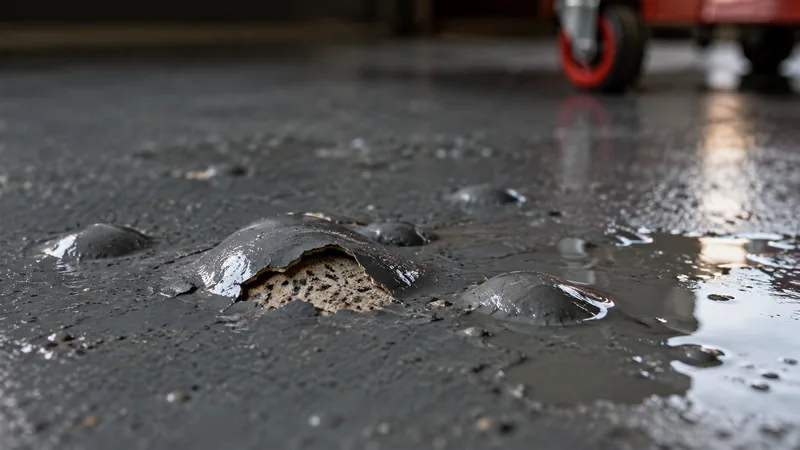
Avoid repeatedly cleaning the entire surface before the cause is examined. A small documented cleaning trial can be useful later, but removing every trace immediately may hide the pattern. Also note bubbling, peeling, crumbling material and any dampness. Those observations help define whether the problem includes coating failure, deterioration of the substrate or both.
Keep mold concerns separate from salt identification
White material is not enough to identify either mold or efflorescence conclusively. Do not taste deposits or use unsafe improvised tests. If there is suspected growth, an unexplained odor or uncertain contamination, obtain an appropriate assessment and follow suitable cleanup guidance.
EPA: A Brief Guide to Mold, Moisture and Your Home emphasizes moisture control and advises against painting over moldy surfaces. That guidance applies to affected conditions; it does not turn every white deposit into a mold diagnosis. A wall can have more than one problem, so identifying salts should not be used to dismiss other evidence. Record what is confirmed, what is suspected and what remains to be investigated.
Trace the moisture path before selecting a coating
Inspect relevant roof drainage, exterior cracks, openings, plumbing and other accessible details. The likely path depends on the building and the deposit pattern. Where the source is concealed or the masonry is deteriorating, involve a suitable building or masonry professional.
Sherwin-Williams: Efflorescence advises correcting excess moisture and delaying painting if efflorescence continues. The proposed repair should explain which source was addressed and how the result will be checked. A coating marketed as waterproofing does not automatically suit every side of every wall. The assembly and moisture direction matter, especially in older masonry where an inappropriate treatment can complicate drying.
Remove deposits with a compatible method
Once the investigation supports cleaning, select a method appropriate to the masonry, coating and surroundings. A gentle trial helps establish what can be removed without damaging the face or joints. Follow product instructions and protection requirements rather than choosing a strong acid solely because a household cleaner did not work.
Do not assume material that resists brushing is harmless residue ready to paint over. It may need a different assessment. Older or unknown coatings also require precautions before abrasion or removal. If cleaning exposes weak plaster, damaged brick or failing mortar, include that material repair before the finish stage. The objective is a sound base, not only a temporarily white-deposit-free photograph.
Establish readiness for a new finish
Observe whether deposits return after the source correction and cleaning. Use the assessment and selected system requirements to establish substrate readiness, including relevant moisture and alkalinity considerations. A fixed waiting period cannot substitute for understanding an active condition.
Choose the primer and finish for the actual masonry and retained coating. Confirm any limitations with the supplier and use a representative sample where conditions are uncertain. The sample should not be used to conceal unresolved salt growth; it should evaluate a system on a surface already considered suitable. Record the preparation so later inspection can distinguish new failure from an area that was never ready to receive paint.
Make the repair scope visible to the owner or tenant
Document the source investigation, material repairs, cleaning, drying assessment and coating system separately. This is particularly useful in rental or shared buildings where one party may order the paint while another controls exterior maintenance or plumbing repairs.
Keep before-and-after photographs and a plan for reporting recurrence. A new white deposit, an expanding damp area and a stable cosmetic stain are different observations. The record should make it possible to respond to the right one without another automatic repaint. A successful finish is the last part of the repair, not evidence by itself that the building's moisture problem has been resolved.
Questions & answers
Can I seal efflorescence under paint?
Do not treat active deposits as a hiding problem. Manufacturer guidance recommends correcting moisture and delaying painting while efflorescence continues. Remove deposits appropriately and establish a suitable substrate before selecting a coating. A sealer cannot be assumed to stop the underlying moisture path.
Is white powder on a wall always efflorescence?
No. Coating chalk, other deposits, deteriorated material and possible biological growth can require different assessments. Identify the wall assembly and document the pattern. Avoid diagnosing from color alone, and obtain appropriate help when the residue or moisture condition is uncertain.
Why did the deposits return after the landlord repainted?
The moisture source, remaining salts or surface condition may not have been fully addressed. The recurrence does not by itself identify which step failed. Review the prior work and observe the pattern before another cleaning or coating cycle conceals the evidence.
Sources & further reading
- Sherwin-Williams: EfflorescenceMoisture transports masonry salts; correct the source and delay painting while deposits continue to form.
- EPA: A Brief Guide to Mold, Moisture and Your HomeFix water problems and clean and dry affected surfaces before painting; damaged porous materials may need replacement.
Reader discussions
These conversations describe problems people encountered. They do not establish the cause of a defect or replace product instructions and applicable requirements.