Choosing a Coating for an Interior Brick Wall That Used to Be Outside
When an addition turns an exterior brick wall into an interior feature, check its condition and coating history before choosing paint. The wall may still have moisture sources, salts, old sealers or repairs that affect compatibility. Confirm whether the face is absorbent and unpainted or already sealed. Choose a system approved for that condition, test both brick and mortar, and consider how difficult future removal could be before committing to an opaque finish.
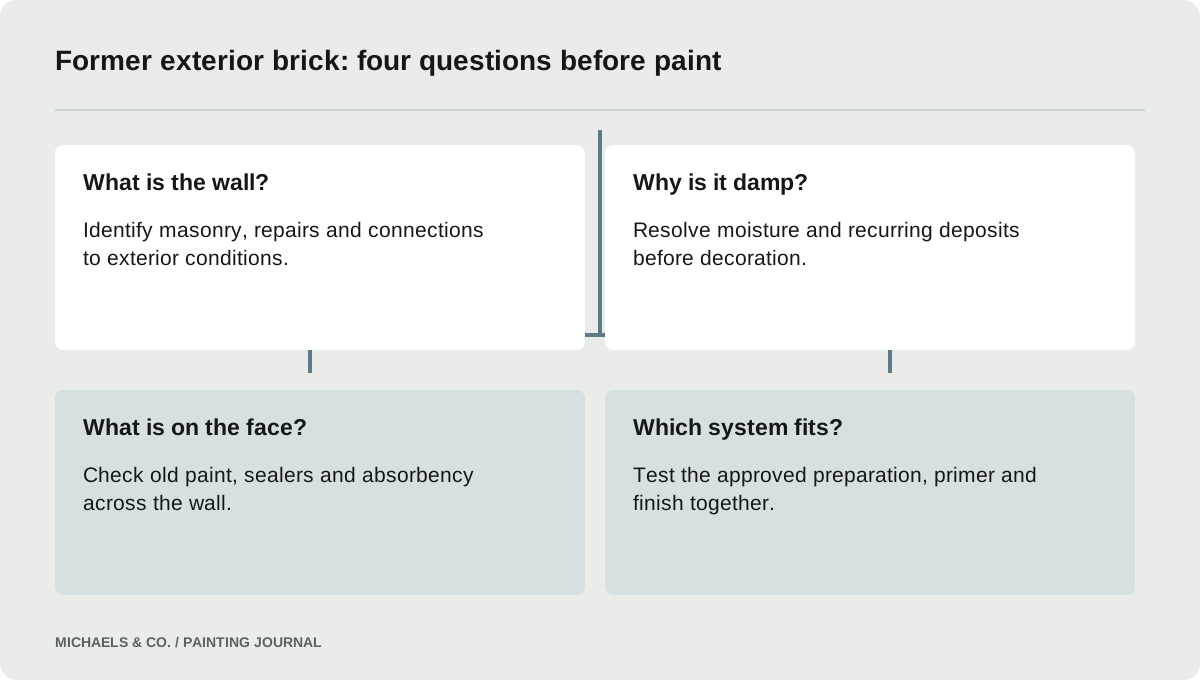
Confirm what the new room has actually enclosed
A brick-looking wall may be full masonry, thin veneer or a decorative panel. Identify the material and what lies behind it. Review the addition's work and any records about flashing, drainage or previous wall repairs. Bringing a surface indoors changes its exposure but does not automatically resolve conditions elsewhere in the assembly.
A Reddit discussion about a former exterior brick wall focused on getting a solid white appearance while commenters disagreed about permeability. Before comparing paint brands, establish the starting condition. Note which parts remain connected to exterior masonry or ground-level moisture paths. If the wall is historically significant or part of a protected property, check the applicable review requirements before changing its appearance.
Investigate moisture and deposits before choosing a finish
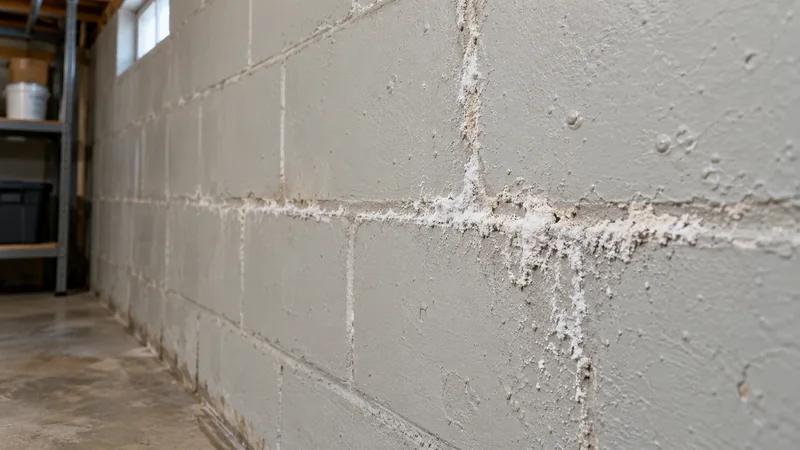
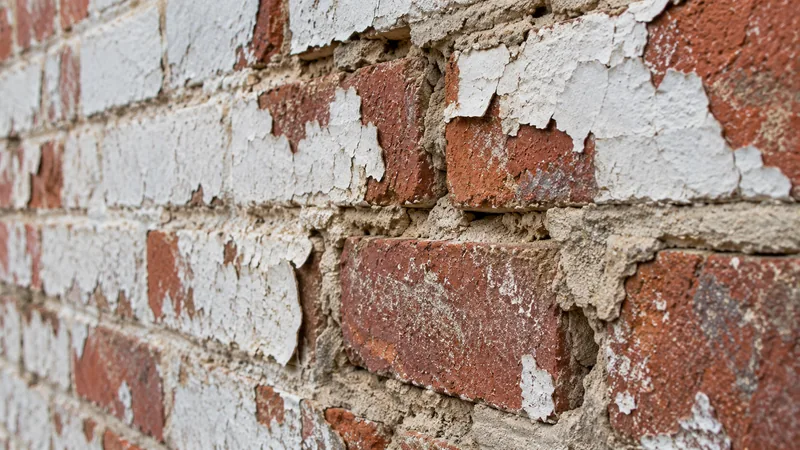
Look for dark damp patches, recurring white deposits, soft mortar and areas where the brick face is deteriorating. Record whether the condition changes after rain or normal use of the new room. A mark that disappears temporarily after cleaning may still have an active cause.
Do not select paint as the repair for an unexplained wet wall. Have the relevant building professional investigate the source and the consequences of the addition where necessary. The National Park Service's masonry guidance emphasizes understanding the material and existing treatments before cleaning or coating. It is preservation guidance, not a universal prohibition on painted brick. Its practical lesson here is to establish compatibility and condition before committing to a treatment that may be difficult to reverse.
Find out whether the face is absorbent or sealed
Bare-looking brick may have a previous water-repellent treatment, sealer or transparent coating. Look for records and differences between exposed, repaired and protected areas. A simple wetting observation can raise questions about absorbency, but it does not identify every treatment or prove that a proposed coating will bond.
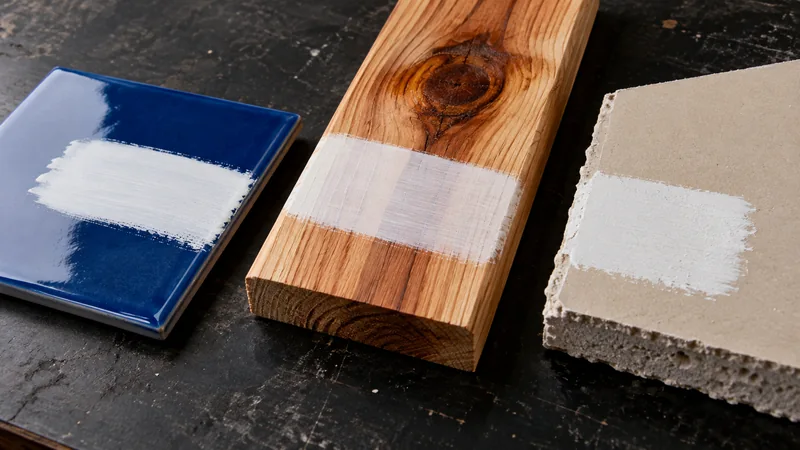
Ask the paint manufacturer how to assess uncertain surfaces for its system. Test representative areas instead of relying on one convenient brick. Mortar can behave differently from the brick face, and replacement units may differ from the original masonry. Record these variations on a photograph or sketch. This helps the painter select preparation and primer for the actual wall rather than treating every red or brown surface as the same substrate.
Separate opacity, texture and vapor behavior
Three different preferences often get combined into the request for breathable white brick paint. Opacity concerns how much of the original color remains visible. Texture concerns whether the coating preserves or changes the masonry's relief. Vapor behavior concerns moisture movement through the specified system. One marketing word does not answer all three questions.
Compare the exact products and complete systems, including primers and existing layers. A vapor-permeable topcoat does not remove an impermeable layer already beneath it or fix bulk water entering elsewhere. Likewise, a mineral coating is not automatically appropriate for every previously painted or glazed surface. Ask for the relevant technical data and a sample showing the desired appearance. Avoid treating either “all brick must breathe” or “it is indoors now” as a complete specification.
Match the primer to the masonry condition
Romabio's Masonry Flat guidance provides a concrete example of different starting conditions: absorbent unpainted masonry and previously painted or nonabsorbent surfaces have different preparation and primer paths. Those instructions apply to that product system, not to every mineral paint.
Check the current technical sheet and the actual version supplied. Product bases and formulations can have different mixing directions, so do not copy a dilution recipe from an older video or another bucket. If the wall carries an unknown treatment, obtain a recommendation before purchasing the whole quantity. Keep the selected primer and finish together in the specification. Substituting a familiar primer can change the system's suitability and the result being evaluated.
Make the sample show joints, repairs and lighting
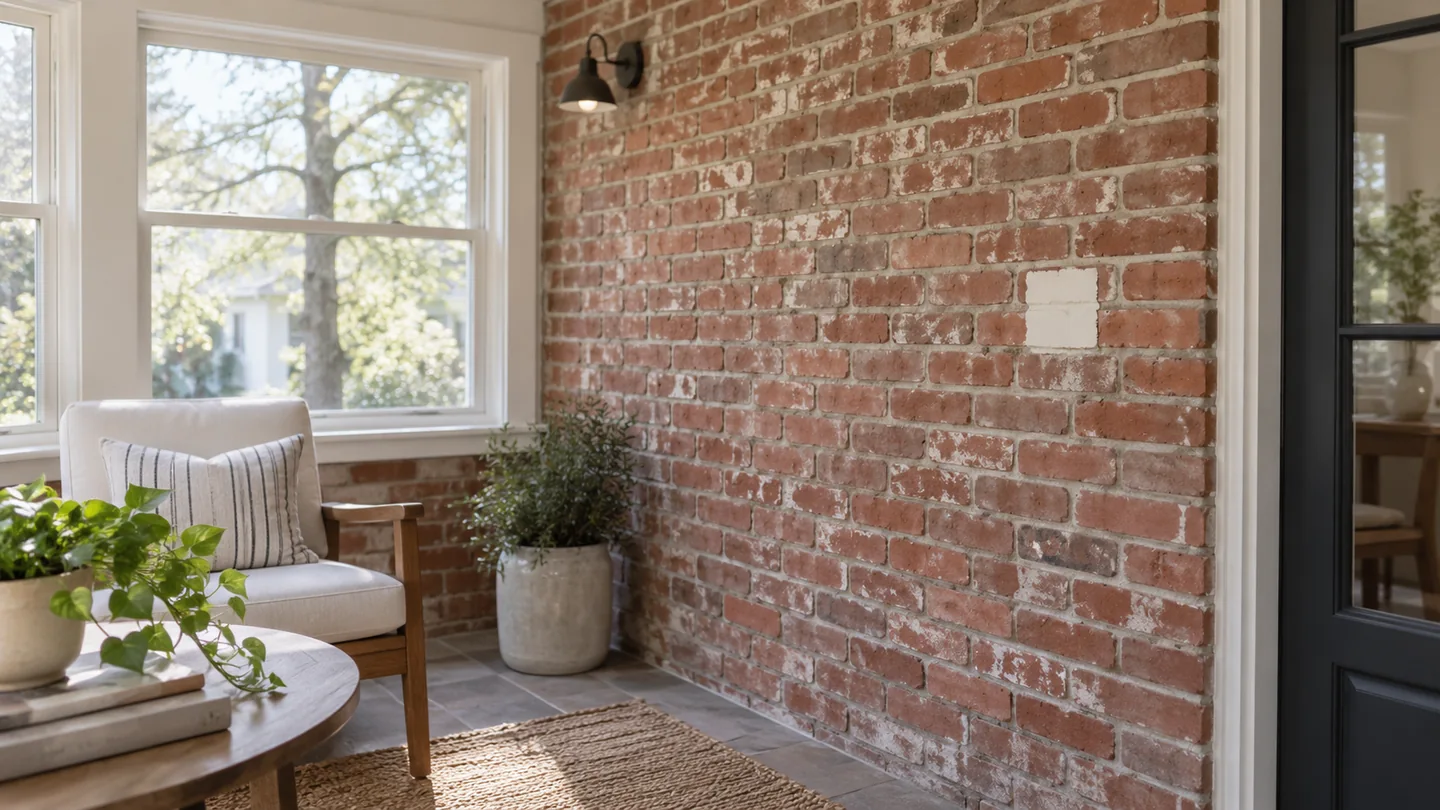
Paint a representative area large enough to include several bricks, mortar joints and at least one typical repair if present. Complete the intended sequence and evaluate it after the required drying stage. A color card held against the wall cannot show how an opaque coating changes the depth and contrast of the joints.
| Sample observation | Decision before proceeding |
|---|---|
| Repairs remain visually different | Review texture and agreed appearance |
| Uneven absorption or coverage | Confirm preparation and primer path |
| Recurring deposits | Return to moisture investigation |
| Desired uniform color | Record the complete successful system |
View the sample in the new room's actual lighting. Strong side lighting can make mortar profiles prominent even when the color is completely uniform.
Choose cleaning and preparation that protect the masonry
Cleaning should remove what interferes with the finish without needlessly eroding brick or mortar. An interior room also creates containment and cleanup constraints that differ from an open exterior. Discuss protection of floors, adjacent finishes and occupants before using a method that produces dust, spray or chemical residue.
Do not improvise aggressive acid cleaning or abrasive blasting to create a uniformly fresh-looking wall. If an existing coating must be removed, assess the coating and substrate before disturbance and identify the appropriate specialist where needed. The wall's irregularity may be part of its character rather than a defect requiring correction. Agree which repairs belong to masonry work and which belong to painting so a finish estimate does not quietly become an unsupported structural repair plan.
Decide whether the change is worth its maintenance commitment
An opaque finish can be difficult to remove completely from textured masonry without affecting the surface. Consider that before choosing a color intended to follow a short-lived decorating trend. Retain photographs of the original wall and the approved sample, and understand the selected system's cleaning and repair requirements.
For a commercial conversion, include future tenant turnover and repair access in the decision. For a home, consider whether retaining the masonry or choosing a different room treatment meets the same design need with fewer changes. If painting remains the preferred option, keep product and preparation records for future maintenance. A successful specification addresses the wall as it actually exists, including its history, rather than relying on the fact that it now stands inside a finished room.
Questions & answers
Does interior brick always need breathable paint?
The appropriate vapor behavior depends on the wall assembly, moisture conditions and existing layers. A broad label cannot replace that assessment. Compare the complete proposed system and ask the relevant manufacturer or building professional about the actual wall, especially where dampness or recurring salts are present.
Is mineral paint the same as limewash?
Do not assume those terms describe identical appearance or application. Products can differ in binder, opacity, surface requirements and maintenance. Compare the exact technical sheets and a completed sample. Choose the product that produces the intended result on the identified substrate rather than relying on a category name.
Can I paint over a clear sealer without removing it?
Only when an identified compatible system explicitly permits that starting condition. A clear treatment may change absorbency and adhesion even if the brick looks bare. Investigate the coating history and test the approved preparation and primer sequence before committing to the entire wall.
Sources & further reading
- Romabio Masonry Flat product and application guidanceDifferent system requirements for absorbent bare and previously coated masonry.
- National Park Service Preservation Brief 1: masonry treatmentsMaterial identification, prior treatments and compatible cleaning and coating decisions.
Reader discussions
These conversations describe problems people encountered. They do not establish the cause of a defect or replace product instructions and applicable requirements.